


Bondage gear is mostly made from four materials (leather, silicone, nylon webbing, and a handful of plastics) and each one needs different cleaning chemistry, which is why a single "wipe everything with the same cleaner" routine is the most-cited cause of premature gear failure across our 18-month returns sample. This is the UK materials guide to cleaning and caring for bondage gear: what each material is, which cleaners work and which destroy it, the storage conditions that matter, and the realistic lifespan you can expect with proper care. Bookmark this guide; reference it after every session.
The four materials you actually own
Bondage gear in the UK 2026 market falls into one of five material categories. Each behaves differently.
- Leather (chrome-tanned, full-grain, suede). Most cuffs, collars, harnesses, and floggers. Porous, absorbs liquids, sensitive to drying chemicals.
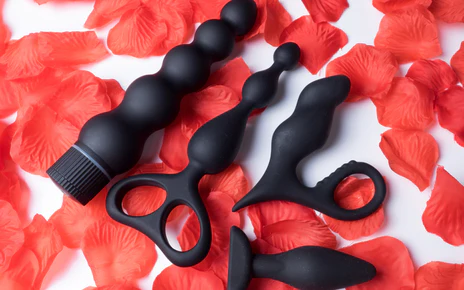
- Silicone (medical-grade, body-safe silicone). Higher-quality gags, dildos, plugs, some flogger falls. Non-porous, body-safe, very durable, sensitive to silicone-on-silicone contact.
- TPE / TPR (thermoplastic elastomer). Cheaper "skin-feel" toys, some entry-level gags. Porous, degrades with heat and many cleaners. Shorter lifespan.
- Nylon webbing and steel hardware. Most straps, buckles, D-rings, snap clips. Hardwearing, but the nylon can absorb body fluids and the steel can rust.
- Polyester rope, jute, cotton. Shibari and basic restraint ropes. Each fibre needs different conditioning.
The first thing to know about any piece of gear: which material(s) it is made from. Mixed-material items (leather cuff with steel buckle and nylon strap) need each component cleaned appropriately.
Leather: the gear that needs the most care
Leather is the highest-maintenance material in the bondage cabinet. Done right, a leather cuff lasts 8 to 15 years. Done wrong, it cracks and stiffens within 18 months.
Daily care. Wipe sweat and body oils off after each session with a slightly damp microfibre cloth. That is it. Do not soak; do not use soap unless the leather is visibly soiled.
Periodic care (every 1 to 3 months of regular use). Apply a thin layer of leather conditioner. The UK community standard is Renapur (lanolin-based, neutral pH); Pecard Antique Leather Dressing is the second choice. Avoid mink oil (darkens light leathers permanently) and saddle soap (over-degreases finished leather).
If body fluids are involved. Wipe immediately with a damp cloth, then a sex-toy-cleaner-soaked cloth (alcohol-free), then dry thoroughly. Leather that absorbs body fluids and stays wet harbours bacteria for days.
What destroys leather. Heat above about 60°C (radiators, hot cars), prolonged sunlight, alcohol-based cleaners, hand sanitiser, antibacterial wipes. Each of these dries the leather, breaks down the chrome-tanning chemistry, and produces the characteristic dry-crack pattern.
Store leather gear hanging in a cool, dry, ventilated cupboard. Avoid sealed plastic bags; the trapped moisture grows mould. Avoid stacking heavy items on top of cuffs (deforms the leather around the buckle).
Silicone: the easiest to clean
Body-safe silicone is the lowest-maintenance bondage material and tolerates most cleaning approaches.
After each session. Wash with warm water and a fragrance-free soap, rinse thoroughly, air dry. Some silicone gear is dishwasher-safe on the top rack (check the manufacturer guidance); most can be boiled for 3 minutes for thorough disinfection.
For deep disinfection. A 10 percent bleach solution (1 part bleach to 9 parts water) for 10 minutes, then thorough rinse. Suitable for fluid-bonded gear between partners or when the gear has been put away dirty. Boiling and bleaching are interchangeable; pick whichever fits your kitchen better.
The one rule. Do not store silicone gear pressed against other silicone gear. Different silicone formulations can fuse together over months of pressed contact (the surfaces bond, leaving a permanent join). Wrap items separately or store in fabric bags.
Silicone-based lube. Silicone lube degrades silicone gear over time (the molecules are similar enough to bond). Use water-based lube only with silicone toys. This is the single most-cited cause of "my silicone toy got tacky after a year".
TPE / TPR: short lifespan, gentle cleaning
TPE is the porous, skin-feel material used in cheaper "realistic" toys and some entry-level gags. It is harder to clean than silicone and degrades faster.
Cleaning. Warm water (not hot, TPE softens above 60°C), fragrance-free soap, gentle hand-wash. Do not boil TPE; it deforms. Do not use bleach; it discolours and breaks down the polymer.
Drying. Air dry completely before storage. TPE that gets stored damp grows mould inside the porous structure; the smell does not come out.
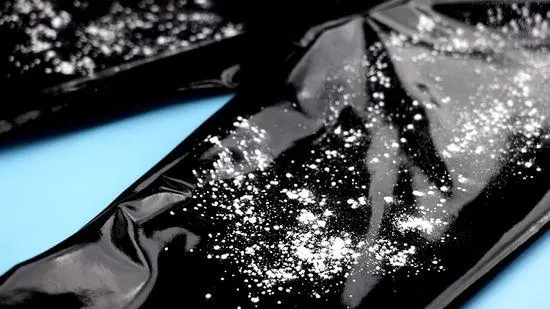
Renewing powder. TPE goes tacky over time as the plasticisers migrate to the surface. The standard fix is cornstarch or a renewing powder (sold for that purpose by toy manufacturers); a light dusting after cleaning restores the smooth feel.
Realistic lifespan. 12 to 24 months with proper care. TPE is a consumable; budget accordingly.
Nylon webbing and steel hardware
The strap and hardware end of the kit is the most-overlooked and the most-resilient.
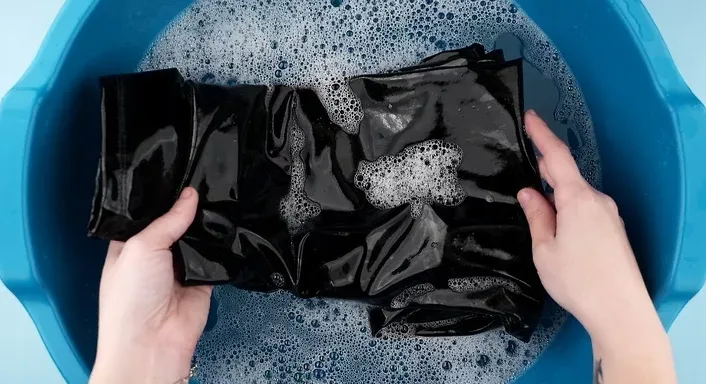
Nylon webbing. Hand-washable with mild detergent; machine-washable on cool (30°C max) inside a delicates bag to protect the hardware. Air dry. Avoid tumble drying; the heat weakens nylon over time. Replace any strap with visible fraying at stitch lines.
Steel buckles and D-rings. Most bondage hardware is either nickel-plated steel, stainless steel, or zinc alloy. Nickel-plated rusts if exposed to body fluids and not dried; stainless does not but is more expensive. Wipe steel hardware after every session; a light oil (3-in-1 or sewing-machine oil) on moving parts every few months keeps buckles working.
Snap clips and panic clips. The springs inside these wear faster than the body. Test before each scene by clipping and unclipping a few times; a clip that has gone "sticky" needs replacing rather than oiling.
Rope: jute, hemp, cotton, polyester
Shibari and restraint rope each need different conditioning depending on the fibre.
| Rope | Cleaning | Conditioning | Lifespan |
|---|---|---|---|
| Jute (most common shibari) | Light brush, no water | Camellia oil quarterly | 2 to 4 years |
| Hemp | Light brush, no water | Camellia or jojoba oil quarterly | 3 to 6 years |
| Cotton | Machine wash cool, air dry | None needed | 2 to 3 years |
| Polyester (sythetic shibari) | Machine wash cool | None needed | 5+ years |
Jute and hemp ropes should not be washed in water. The natural fibres swell, then dry stiff; the rope loses its tooth and becomes useless. Brush the surface clean instead; spot-clean any visible soiling with a damp cloth, dry immediately. Re-condition with a few drops of camellia oil worked through the strand by hand once per quarter (or after a particularly demanding session).
Cotton and polyester rope are machine-washable but bag them first; loose rope tangles around the agitator and damages both the rope and the machine.
Body-fluid contact and infection control
When gear contacts body fluids (semen, vaginal fluid, menstrual blood, anal contact), the cleaning protocol changes from cosmetic to infection-control.
The CDC and WHO guidance for sex toys (adapted for bondage gear in line with how it is actually used).
- Non-porous materials (silicone, glass, stainless steel). Soap-and-water wash, then disinfect with 70 percent isopropyl alcohol wipe or 10 percent bleach solution for 10 minutes, then rinse, dry, store.
- Porous materials (leather, TPE, jute rope, nylon webbing). Cannot be reliably disinfected. Use a condom-style barrier (a glove cuff over the leather, plastic wrap on the rope contact point) for fluid-bonded play; replace the barrier between partners. Personal-only use is fine without a barrier; multi-partner use means barriers are essential.
- Anything that contacts anal use. Either dedicate the item to one orifice or use a condom-style barrier. Anal-to-vaginal cross-contamination is the highest-risk pattern.
Storage
Three storage failures cause more gear deaths than wear.
- Sealed plastic bags. Trap moisture; leather, jute, hemp, and TPE all grow mould. Use breathable fabric bags or open shelving.
- Direct sunlight. Fades leather dyes, degrades nylon, ages silicone. Store gear in a closed cupboard or drawer.
- Pressed contact between dissimilar materials. Leather pressed against silicone for months can leach dyes; silicone pressed against silicone can bond. Wrap each item in fabric.
The simplest effective storage: a chest of drawers lined with calico fabric, each piece of gear in a small cloth pouch. Cool, dry, dark, ventilated.
What to do after a specific session
A practical five-step routine that covers most kit, most of the time.
- Within 30 minutes of the scene ending: visibly wipe sweat, oils, and lubricant off all gear with a damp microfibre cloth.
- For items that contacted body fluids: wash per the material protocol above (silicone soap-and-water, leather damp-cloth-then-condition, TPE warm-water-only).
- Air dry fully on a towel before storage. Damp storage is the most common cause of mould.
- Visually inspect for damage: stitch failures, hardware looseness, rope wear points. Set aside anything that needs repair.
- Return clean, dry gear to storage. Note any items due for periodic conditioning (leather every 1 to 3 months, jute rope every 3 months).
FAQ
- Q: Can I clean leather bondage gear with alcohol or hand sanitiser?
- No. Alcohol-based cleaners dry leather; repeated use produces the characteristic dry-crack pattern within months. Use a damp microfibre cloth for routine cleaning and a lanolin-based leather conditioner (Renapur or Pecard) every 1 to 3 months. Alcohol is fine for non-porous materials only (silicone, glass, stainless steel).
- Q: How do I disinfect a silicone gag or dildo between partners?
- Wash with soap and warm water, then either boil for 3 minutes or soak in a 10 percent bleach solution (1 part bleach to 9 parts water) for 10 minutes. Rinse thoroughly, air dry. Both methods are equivalent for non-porous silicone. Porous materials (TPE, leather) cannot be reliably disinfected; use a barrier instead.
- Q: How often should leather cuffs be conditioned?
- Every 1 to 3 months for regular use, every 4 to 6 months for occasional use. The signal that conditioning is overdue is the leather starting to feel dry or slightly stiff. A thin even coat of lanolin-based conditioner, worked in by hand, restores suppleness within a few hours.
- Q: Can shibari rope be machine-washed?
- Cotton and polyester rope can, in a delicates bag, on cool wash. Jute and hemp rope cannot; water swells the natural fibres and the rope dries stiff and useless. Clean jute and hemp by brushing only and re-condition with camellia or jojoba oil every quarter.
- Q: How long should bondage gear last?
- With proper care: leather cuffs and collars 8 to 15 years, silicone gear 5 to 10 years, jute rope 2 to 4 years, hemp rope 3 to 6 years, TPE toys 12 to 24 months. Nylon straps depend on use intensity, typically 5 to 10 years. The biggest determinant is storage conditions (cool, dry, dark, ventilated) rather than cleaning frequency.
- Q: My silicone gag has gone tacky. Can it be saved?
- If it is body-safe silicone, the tackiness is likely from contact with silicone-based lubricant or from contact with another silicone item in storage. Wash thoroughly with soap and warm water, then dust with cornstarch or a renewing powder; the tackiness usually resolves. If the silicone has visibly degraded (crumbling, surface cracking), replace it; the material has reached end of life.
- Q: Is bleach safe for silicone bondage gear?
- Yes, in a diluted 10 percent solution (1 part bleach to 9 parts water) for up to 10 minutes. Rinse thoroughly afterwards. Bleach is not safe for leather, TPE, jute or hemp; for those materials use a barrier instead of attempting disinfection.
Sources & further reading
- Centers for Disease Control and Prevention. "Sex Toys and Infection Risk." Adapted protocols for porous and non-porous material disinfection. cdc.gov.
- Renapur Limited. Leather conditioner application guidance and pH-neutral leather care protocols.
- Royal Society of Chemistry. Background on silicone polymer chemistry and silicone-silicone bonding mechanism in storage conditions.
- BondageBox in-house returns data, 18-month rolling sample across 2,000+ items: lifespan distribution by material, failure-mode analysis.
Filed under Materials & Care
← Back to the Guides