


Latex is the highest-maintenance material in the catalogue and the one most likely to be ruined within a year of purchase if the owner does not know that body oils, jewellery, fingernails and ordinary perfume are all things latex will not tolerate. This is the UK guide to caring for latex clothing: the polishing routine that produces the wet-look shine, body and jewellery preparation before wearing, what destroys latex (and what the catalogue's most common returns trace to), storage with talc or silicone, and a realistic 2 to 6 year lifespan. Latex is worth the care; understanding it lengthens its life and improves how it looks every wear.
What latex is
Latex (natural rubber) is a thin sheet of vulcanised rubber, typically 0.25 to 0.6 mm thick for clothing. The material is genuinely fragile compared to fabric: thin, easily punctured, sensitive to oils and metals. It is also dimensionally stretchy in a way fabric is not, which is why latex garments fit closely and become a second-skin once worn.
Putting it on (the part that breaks latex)
Three preparations before putting any latex garment on.
- Remove all jewellery. Rings, watches, bracelets, body piercings near the contact area. Even a small ring can puncture latex; the catalogue\'s most common returns trace to this. Fingernails should be smooth, no jagged edges.
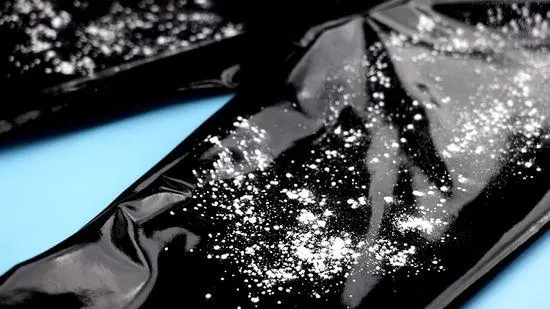
- Apply a dressing aid (talc or silicone). Either dust the inside of the garment lightly with cosmetic talc, OR apply a thin film of pure silicone lubricant (Vivishine, Pjur Cult, Black Beauty are UK options) to the inside. Without a dressing aid, latex sticks to skin and cannot be pulled on.
- Skin must be clean and dry. No moisturiser, no perfume, no body oil on contact areas. Oils degrade latex from the moment of contact.
Method: turn the garment inside-out partially, work your way into it slowly from the bottom up, smoothing the latex as you go. Fingernails inside (use the pads of fingers, not the tips). The first 5 minutes of putting on latex are slower than feels reasonable; once on, the garment is comfortable.
Wearing
Latex can be worn for several hours at a time. Two practical points.
The garment will sweat against the skin (no breathability). After 1 to 2 hours, the inside fills with perspiration. This is normal; some users find it pleasant, others not. The garment must be cleaned thoroughly afterwards because trapped sweat degrades latex.
To get the wet-look shine that latex is photographed with: apply a silicone-based polish (Pjur Cult, Vivishine) sparingly to the outside while wearing. Buff with a soft cloth or just a hand. The shine appears almost instantly; reapply lightly through the evening as it dulls.
What destroys latex
- Body oils. Natural skin oils, moisturisers, sunscreen, perfume. All degrade latex. Skin must be clean and dry.
- Copper, brass, light metals. Discolour latex on contact, leaving a brown stain that cannot be removed.
- Sunlight. Direct sunlight degrades latex within hours. Store in a closed drawer or wardrobe.
- Oil-based lubricants. Plant oils, mineral oils (baby oil) all degrade latex.
- Fingernails. Tear and puncture latex. Smooth nails, no jagged edges.
- Heat above 60°C. Latex becomes tacky and deforms; do not iron, do not use a hot wash, do not store next to a radiator.
Cleaning after wearing
The post-wear routine.
- Remove the garment. Rinse the inside immediately with cool water to flush out sweat.
- Hand wash. Fill a basin with cool water and a few drops of latex-specific cleaning product (Vivishine Latex Wash) or, if not available, fragrance-free non-detergent shampoo. Submerge briefly, swish, and lift out. Do not rub; latex tears under friction.
- Rinse. Cool water until water runs clear.
- Dry. Hang inside-out on a padded hanger away from direct sunlight and heat. Air dry only.
- Talc or silicone before storing. Once dry, dust the inside lightly with talc or apply a thin film of silicone polish, then fold or hang for storage. This prevents latex sticking to itself in storage.
Storage
Hang on a padded wide hanger if the garment is heavy (latex skirts, dresses); fold inside a fabric bag with talc between folds if lighter (gloves, hoods). Closed drawer or wardrobe, away from direct light and heat.
Never store latex against itself unprotected. The garment will stick to itself within weeks and tear apart when separated. The dressing aid (talc or silicone) is the storage layer.
Never store with metal hangers in direct contact. The metal can leave permanent stains. Padded fabric hangers or wooden hangers with a fabric layer.
Lifespan
With proper care: 2 to 6 years of regular use for a latex garment, much longer for occasional-wear pieces. Most failures are dye fade, surface micro-cracks, or seam degradation. Latex with visible cracks should be retired; small punctures can be repaired with latex glue if at a seam, but a tear through the panel is end of life.
FAQ
- Q: Why does my latex keep tearing?
- Almost always fingernails, jewellery, or stretching the latex past its limit while putting it on. The fix: smooth nails, remove all jewellery, use plenty of talc or silicone dressing aid, and pull the latex on slowly from the bottom up using the pads of your fingers rather than the tips.
- Q: Can I use silicone lubricant with latex condoms or latex gear?
- Yes, but only pure silicone (no oils added). Pjur Cult, Vivishine and Black Beauty are pure silicone polish and dressing-aid products suitable for latex. Avoid plant-based oils (degrade latex), mineral oils (degrade latex), and any "silicone-based" lube that has added moisturisers or oils.
- Q: What is the best way to clean latex clothing?
- Hand wash in cool water with a latex-specific cleaning product (Vivishine Latex Wash) or fragrance-free non-detergent shampoo. Do not rub; do not machine wash; do not use hot water; do not tumble dry. Air dry on a padded wide hanger away from direct sunlight and heat. Dust the inside with talc or apply a thin silicone film once dry, before storing.
- Q: How do I get the wet-look shine on latex?
- Apply a pure silicone polish (Pjur Cult, Vivishine) sparingly to the outside of the garment while wearing. Buff with a soft cloth or just a hand. The shine appears within seconds and lasts an hour or two before needing a light reapplication.
- Q: Why has my latex developed brown spots?
- Contact with copper or brass (often from jewellery, snap fasteners, or stored zips) discolours latex permanently. The stain cannot be removed once formed. Avoid all metal contact during wearing and storage; if zips or snaps are unavoidable on the garment, isolate them with a fabric layer when stored.
- Q: How long does a latex garment last?
- Regular-wear latex garments: 2 to 6 years with proper care. Occasional-wear pieces (kept clean, properly dressed in talc or silicone, stored cool and dark): 5 to 10 years. The biggest lifespan determinants are body-oil exposure (keep skin clean), metal contact (avoid all jewellery contact), and storage conditions (cool, dark, ventilated, dressed in talc or silicone).
Sources & further reading
- International Rubber Study Group. Natural rubber and vulcanised latex specifications.
- Vivishine. Latex care product application notes.
- BondageBox in-house testing across the latex range (2024-2026); lifespan tracking by care regimen.
Filed under Materials & Care
← Back to the Guides