


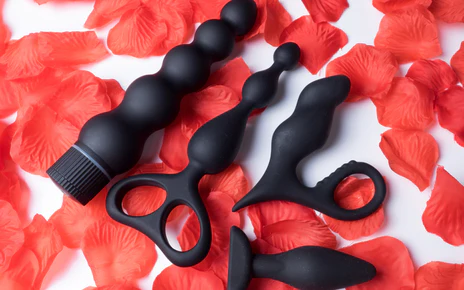


Medical play is a roleplay theme, a clinical scenario, the dynamic of examiner and examined, the atmosphere of vulnerability and control, and it is worth separating that from the equipment, because the two carry very different risk. The roleplay and atmosphere (clinical setting, gloves, a gown, the examiner/patient dynamic, an exam that never touches genuine medical territory) is highly accessible and low-risk: most of what makes medical play compelling is theatre, not instruments. The equipment divides sharply. External and low-risk gear, gloves, speculums used externally or visually, clamps, restraint, a clinical aesthetic, sits within reach of any careful beginner. Internal and invasive equipment, urethral sounds in particular, is genuinely high-risk: it carries real infection and injury potential and demands sterile technique, anatomical knowledge, and experience that an article cannot supply. The honest beginner path: lean into the roleplay, use the low-risk external gear, and treat anything internal or invasive as advanced equipment to learn properly elsewhere, in person, if at all. This guide covers the theme, the equipment tiers, and the safety lines.
Medical play, medical fetish, clinical play
"Medical play", "medical fetish" and "clinical play" all describe the same kink theme: eroticising the clinical, the examiner/patient dynamic, the vulnerability of being examined, the authority of the examiner, the atmosphere of a clinical setting. It overlaps with power exchange and roleplay, and like those, most of its appeal is psychological.
The theme: where most of the appeal lives
The compelling part of medical play is rarely the instruments, it is the dynamic. The examiner/patient relationship is a clean, intuitive power exchange: one person is in authority and asks the questions, the other is vulnerable and complies. The clinical setting, gloves, a gown, a methodical "examination", a detached professional manner, builds an atmosphere of controlled vulnerability that many people find intensely charged. None of that requires anything sharp, internal or risky. A scene built on roleplay, atmosphere and the dynamic alone is a complete medical-play scene, and it is where every beginner should start.
The equipment, in two tiers
| Tier | Examples | Risk | For |
|---|---|---|---|
| Low-risk / external | Gloves, gowns, clinical aesthetic, speculums used visually or externally, clamps, restraint | Low, with normal care | Any careful beginner |
| Internal / invasive | Urethral sounds, anything inserted into the urethra; invasive instruments | High, real infection and injury potential | Experienced practitioners, learned in person, sterile technique essential |
This division is the most important thing in this guide. The two tiers are not a difficulty curve to climb, they are genuinely different categories of risk.
The low-risk tier: where to start
Almost everything that makes medical play work sits in the accessible tier. Gloves and a clinical manner. A speculum used as a visual and atmospheric prop, or externally, rather than as a genuine internal instrument. Restraint, so the "patient" is held for the "examination". Clamps as part of the clinical-sensation theme. A gown, an exam-table setup, a methodical pace. This is a rich, complete kit for medical play, and it carries no more risk than ordinary restraint and sensation play, provided you use body-safe gear and the usual safe-word and circulation rules.
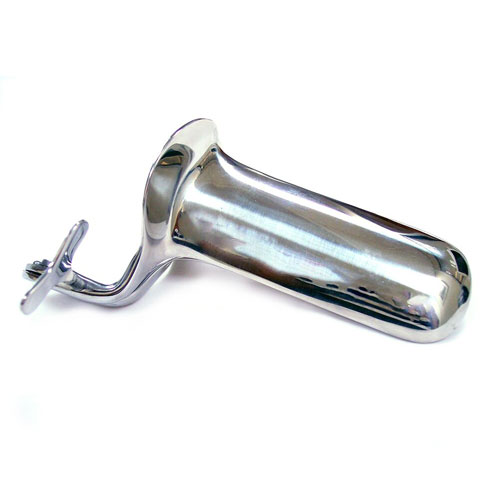
Rouge Stainless Steel Speculum
A clinical-aesthetic centrepiece; treat with care and knowledge. ~£43.
£42.99 →The high-risk tier: the honest warning
Internal and invasive medical-play equipment, urethral sounds above all, is a genuinely different proposition. The urethra is delicate, directly connected to the bladder and the rest of the urinary tract, and the risks, infection, tearing, lasting injury, are real and serious. Safe practice requires sterile technique, specific anatomical knowledge, the right materials, and hands-on learning, none of which a written guide can responsibly provide. This guide does not give instructions for internal medical play, deliberately. If it is something you want to explore, the responsible route is in-person learning from experienced practitioners, with a clear-eyed understanding of the risk, or not at all. There is no shame in keeping medical play firmly in the roleplay-and-external tier; that is where most of its appeal lives anyway.
Safety for the accessible tier
- Negotiate the scene. Medical play roleplay can touch on real vulnerability and past experiences; agree what is in and out, and check for anything that should be off the table, before you start.
- Safe word, always. The clinical roleplay can make "no" and "stop" part of the script, so a distinct safe word matters here especially. See safe words explained.
- Body-safe equipment. Stainless steel and body-safe silicone for anything that contacts the body. Clean and, where relevant, sterilise.
- Standard restraint and circulation rules apply to any restraint or clamps used.
- Aftercare. The vulnerability dynamic can hit hard; plan the wind-down.
Common mistakes
- Thinking the equipment is the point. The roleplay and dynamic carry most of the appeal, and almost all of it is low-risk.
- Treating internal play as the next "level". The two tiers are different risk categories, not a difficulty curve. Internal is not an upgrade; it is a different, hazardous activity.
- Learning urethral play from articles or videos. It demands sterile technique and in-person learning. No written guide can make it safe.
- Skipping negotiation. Medical roleplay can touch real vulnerability. Negotiate carefully and check for sensitive ground.
- Forgetting the safe word matters more here. Clinical roleplay can script "no" and "stop". A distinct safe word is essential.
Related reading
Frequently asked
- What is medical play?
- Medical play, or medical fetish, is a kink theme that eroticises the clinical: the examiner/patient dynamic, the vulnerability of being examined, the authority of the examiner, the atmosphere of a clinical setting. Most of its appeal is psychological and roleplay-based rather than equipment-based.
- Is medical play safe?
- It depends entirely on which tier. The roleplay and external equipment, gloves, a clinical aesthetic, speculums used visually or externally, restraint, carry no more risk than ordinary restraint and sensation play with normal care. Internal and invasive equipment, urethral sounds especially, is genuinely high-risk and is a different category, not a difficulty level.
- Where should a beginner start with medical play?
- With the roleplay and the low-risk external tier: the examiner/patient dynamic, a clinical setting, gloves and a gown, restraint, a methodical "examination" that never enters genuine medical territory. That is a complete, compelling medical-play scene, and it is where most of the appeal lives.
- Are urethral sounds safe?
- Urethral sounds are genuinely high-risk. The urethra is delicate and directly connected to the urinary tract, and the risks, infection, tearing, lasting injury, are real and serious. Safe practice requires sterile technique, anatomical knowledge and hands-on learning. This is not something a written guide can make safe, and it is reasonable to keep medical play in the external-and-roleplay tier instead.
- Do I need real medical equipment for medical play?
- No. The dynamic and atmosphere carry most of the appeal, and they need only roleplay, a clinical setting, gloves and the examiner/patient relationship. A speculum or similar can feature as a visual and atmospheric prop. The compelling part of medical play is theatre, not instruments.
- What safety rules apply to medical play?
- Negotiate the scene carefully, since medical roleplay can touch real vulnerability and past experiences. Use a distinct safe word, because "no" and "stop" may be part of the clinical script. Use body-safe equipment, apply standard restraint and circulation rules to any restraint or clamps, and plan aftercare for the vulnerability dynamic.
- Why does the safe word matter more in medical play?
- Because clinical roleplay can deliberately script "no", "stop" and "please" into the scene as part of the examiner/patient dynamic. If those words are part of the roleplay, they cannot also be the stop signal, so a distinct, unambiguous safe word is essential here in particular.
- Where can I buy medical play equipment in the UK?
- BondageBox stocks medical-play equipment with free discreet UK delivery over £30, plain unmarked packaging, and "BBox" on the bank statement. Start with the roleplay and external tier; browse the medical play range.
Sources & further reading
- NCSF, Consensual kink safety standards, National Coalition for Sexual Freedom
- NHS, Urinary tract infections, NHS UK
- Brook, Sex and consent, Brook Advisory
Filed under Beginner's Guides
← Back to the Guides