

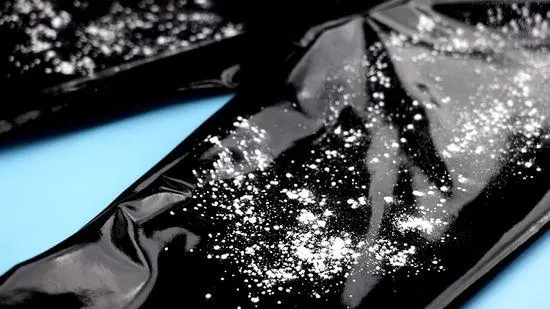
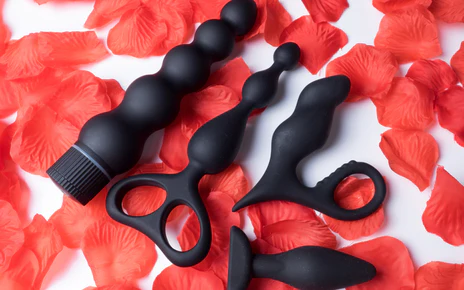


The four impact implements are best understood on a single axis: sting (concentrated impact, narrow strike, sharp sensation) at one end; thud (distributed impact, broad strike, deep pressure) at the other. Riding crops are sting. Paddles are thud. Floggers sit between, often described as "controlled rain". Whips are the loudest, most theatrical, and the hardest to use safely. Knowing where each implement falls on this spectrum is most of what you need to choose your first.
The sting vs thud spectrum
Every impact implement produces a combination of sting and thud, in different proportions. Sting is felt on the skin's surface, sharp, immediate, fades quickly. Thud penetrates into the muscle below, slower to register, longer to fade, deeper sensation. Most receivers prefer one over the other; experienced couples maintain a small kit so the giver can adjust the implement to the receiver's mood that evening.
Impact play is among the most commonly-reported BDSM-adjacent activities in mainstream research. A 2017 study in the Journal of Sex Research (Joyal and Carpentier) of 1,040 adults found 46.8% had engaged in at least one BDSM-adjacent activity, with spanking and light impact consistently in the top tier of reported practices. Choosing between these four implements is a real, common buying decision rather than an exotic one.
A useful rule: narrower contact area = more sting; broader contact area = more thud. A riding crop's tip is small; the strike is sting. A leather paddle's face is large; the strike is thud. The same hand wielding either will produce strikingly different sensations from the same swing.
The riding crop
The implement borrowed from equestrian use, repurposed by the kink scene because the form is excellent: long shaft, small leather "popper" at the tip, thin and precise. Crops are the most precise of the four, the small contact area means the giver can place the strike on exactly the right square inch.
Sensation: sting, narrow, sharp. Surface, not deep. A well-aimed crop strike feels intense in the moment and fades within thirty seconds.
Best for: precise targeting (inner thigh, buttocks, the line between cheeks); rhythmic teasing rather than full-on impact; couples who like the visual theatre of the crop without wanting deep marking.
Watch out for: any strike to the spine, kidneys, or face. Crops are precise enough to be safe almost everywhere on the buttocks and thighs but the same precision means a misplaced strike can land somewhere it shouldn't. Practice on a pillow first.
The paddle
A flat broad implement, usually leather, sometimes wood or silicone. The opposite end of the spectrum from the crop, large contact area, broad strike, deep distributed sensation.
Sensation: thud, broad, deep. Slow to register; lingers. A heavy leather paddle delivers a sensation that radiates into the muscle and is felt long after the strike.
Best for: receivers who prefer deep, "warming" impact over sharp sting; couples building intensity over a longer scene (paddle is the implement most often used for the central, sustained part of an impact session); newcomers who want forgivingness in their aim.
Watch out for: the same areas as the crop (spine, kidneys, anything bony) but the paddle's broad face makes accidentally striking the wrong area more likely. Stay on the centre of the buttocks and the upper thighs; a paddle has no business near the lower back.
The flogger
Multiple soft tails, leather, suede, deerskin, sometimes rubber, attached to a single handle. The flogger is the implement most often described as "controlled rain" because the multiple tails create a distributed, rhythmic, rolling sensation that is unlike either a crop or a paddle.
Sensation: mid-spectrum, leaning thuddy with soft tails or stingy with stiffer leather. Highly variable depending on technique, the same flogger can deliver light teasing or heavy impact depending on swing.
Best for: the broadest range of sensations from a single implement; couples who want one piece of equipment that grows with them; experienced players who want to build a long sequence without changing implements.
Technique matters more here than for any other implement. A flogger swung gently and figure-eight rolled across the back is meditative and warm; the same flogger snapped at the wrist is sharp and sudden. Beginners should expect a learning period, a fortnight of practice on a pillow before any partner work.
Watch out for: the tails can wrap around the body unpredictably and strike the front (chest, ribs, face) when the giver intended only the back. Beginners flog from above, never from the side, until the swing is reliable.
The whip
A single tail, long handle. The most theatrical, the loudest (whips can crack, break the sound barrier, at full speed), and the hardest to use safely. Whips are the implement that requires the most practice before any partner involvement.
Sensation: sting at the tip, sharp and concentrated, with a snap that travels through the body even when the strike is gentle.
Best for: experienced couples who specifically enjoy the theatre of the whip; scenes where the visual and auditory drama is the point; established play partners with high trust.
Watch out for: everything. A whip swung incorrectly can break skin, draw blood, or strike where it wasn't aimed. Whips require months of practice on inanimate targets before any partner work; even experienced practitioners reserve the whip for the controlled centre of a scene rather than improvisational use.
The shorter "suede whip" sold as an entry-point implement (we stock the 19" version, card below) is closer in sensation to a flogger than a true whip, a good gateway for the visual aesthetic without the technical demands of the full-length leather whip.
Where to strike, where never
The body has zones. Memorise these.
- Safe (most padded, most forgiving): the centre of the buttocks, the upper thighs, the back of the shoulders.
- Avoid: the spine and the centre of the lower back (kidney region, internal damage risk), the bony shoulder blades, the back of the neck, anywhere on the head or face, the kneecaps and the lower legs.
- Particular caution: the inner thighs (sting can be intense; broken capillaries common); the breasts (some receivers welcome it, some absolutely don't, negotiate explicitly); the genitals (a separate negotiation entirely; never the place to start).
The beginner's order
A sensible build-up from "we own no implements" to "we have a small, considered kit":
- Hand spanking, first. No implement at all. Both partners learn what impact feels like, where the receiver wants it, what intensity is right.
- A single paddle, second. Forgiving, broad, easy to aim. The implement most likely to deliver pleasure on the first try.
- A flogger, third. Once you know the receiver enjoys impact and the giver is comfortable with rhythm, the flogger opens the rest of the spectrum.
- A crop, fourth. For precision teasing rather than primary impact.
- A whip, much later, if at all. The whip is the equipment with the highest skill ceiling and the lowest probability of a successful first try.
Care and storage
Leather implements need conditioning every few months, a small amount of leather conditioner, rubbed in with a cloth, stops the leather drying and cracking. Suede implements can be brushed with a stiff suede brush. All implements should be stored hung (not coiled) so the leather doesn't take a permanent set; a wardrobe peg or a dedicated kink-gear hanger is the simple solution.
The implements we stock
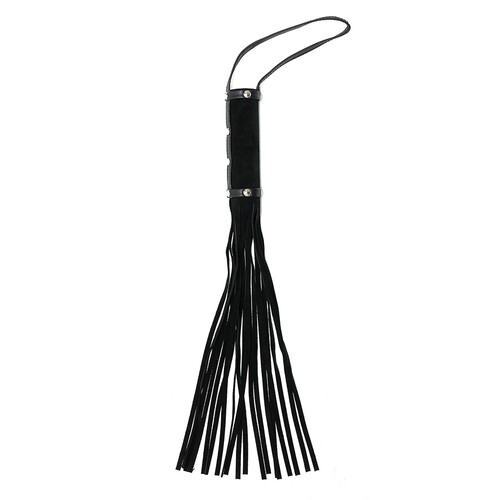
Suede Whip 19 Inches
Suede Whip 19", the gentlest whip in the catalogue. Soft strike, broad pattern; closer in feel to a flogger than a true whip.
£49.99 →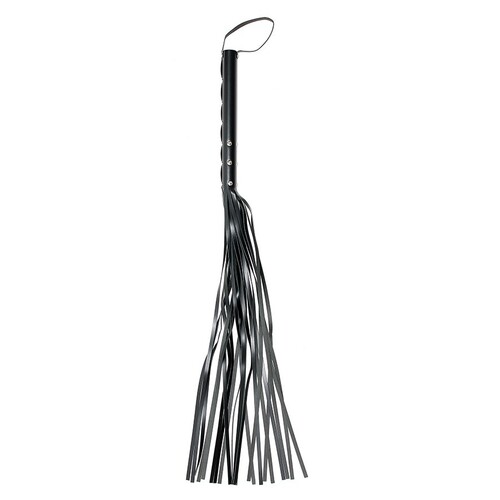
Leather Whip 38 Inches
Leather Whip 38", the long-handle, full-strike whip. Reach and theatre; for couples already comfortable with impact play.
£69.99 →Related reading
For the gentler companion to this guide, our spanking guide covers hand-only impact technique. For the rope-and-restraint side of the same conversation, bondage tape vs cuffs vs rope. For the conversation about negotiation that should precede any impact play, negotiating a scene.
- What is the difference between a riding crop, paddle, flogger and whip?
- The four implements differ in contact area and the sensation they produce. Riding crops have a small leather tip and produce sting (sharp, surface-level). Paddles have a broad flat face and produce thud (deep, distributed). Floggers have multiple soft tails and produce a rolling, rhythmic mid-spectrum sensation. Whips have a single long tail and produce concentrated sting with theatrical sound.
- What does sting vs thud mean in BDSM?
- Sting is concentrated, surface-level impact, sharp, immediate, fades quickly. Thud is distributed, deeper impact, slower to register, lingers in the muscle. Narrow contact area produces sting (crop, whip); broad contact area produces thud (paddle). Most receivers prefer one over the other.
- What is the easiest impact implement for beginners?
- A leather paddle is the most forgiving first implement, broad contact area means easier aim, the strike is thuddy rather than sharp, and there is little risk of accidentally hitting an unintended area. Hand spanking before any implement is even more forgiving and is the recommended absolute starting point.
- Where should you not hit during impact play?
- Avoid the spine, the centre of the lower back (kidney region, internal damage risk), the bony shoulder blades, the back of the neck, anywhere on the head or face, the kneecaps and the lower legs. The safe zones are the centre of the buttocks, the upper thighs, and the back of the shoulders.
- Are floggers loud?
- Floggers themselves are quiet, a soft "swish" on the swing and a muted slap on impact. Whips are the loud impact implement; a full-length leather whip can crack (break the sound barrier) at high speed. The flogger is one of the quieter pieces of bondage equipment, suitable for thin-walled flats.
- How do you care for leather impact toys?
- Condition leather floggers, paddles and crops every few months with a small amount of leather conditioner rubbed in with a cloth. Brush suede implements with a stiff suede brush. Store all impact toys hung (not coiled) so the leather doesn't take a permanent set.
- Can a whip break skin?
- Yes. a poorly-controlled whip can break skin, draw blood, or strike outside the intended target. Whips require months of practice on inanimate targets before any partner work. Most couples interested in the whip's aesthetic without the technical demands choose a short suede whip (closer in feel to a flogger) as their first piece.
Sources & further reading
Impact-play implement safety and UK first-aid references.
- St John Ambulance, First aid advice, St John Ambulance
- NHS, Kidney health, NHS UK
- NCSF, Consent Counts, National Coalition for Sexual Freedom
- British Red Cross, First aid, British Red Cross
Filed under Techniques
← Back to the Guides

