

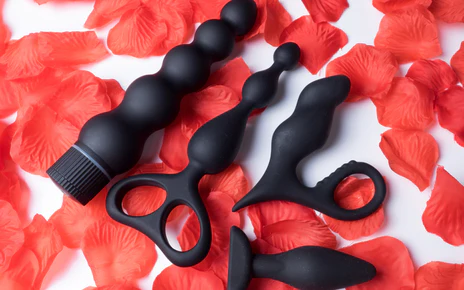

Some sex toys can be dishwashed safely; many cannot. The rule is material-based: non-porous, non-electronic materials are dishwasher-safe; everything else isn't.
What is dishwasher-safe
- Platinum-cure silicone (motor-free), top rack, normal cycle, no detergent (residue lingers in textured surfaces), no heated drying. Place where it can't contact the heating element.
- Borosilicate glass, same rules. Mind that the glass doesn't move around and chip during the cycle.
- 316L stainless steel, top rack, same precautions. Indestructible material; survives even hot wash.
The dishwasher effectively sterilises by heat (water reaches 60–70°C in normal cycles, 75°C+ in intensive cycles). This kills most bacteria and viruses on the surface.
What is NOT dishwasher-safe
- Any motorised toy, vibrators, app-controlled toys, anything with a battery. Even "waterproof" rated toys aren't designed for the prolonged heat and pressure of a dishwasher cycle.
- TPE, TPR, jelly rubber, PVC blends, heat warps the material; the porous surface still can't be sterilised.
- Leather pieces, destroyed by hot water.
- Latex clothing, destroyed by hot water and detergent.
- Rope, natural fibres degrade; synthetic fibres melt.
- Anything with mixed materials, the weakest material determines what's safe.
The practical alternative
For non-dishwasher-safe items, the standard cleaning protocol works:
- Warm water + fragrance-free antibacterial soap for routine cleaning.
- 70% isopropyl alcohol wipe-down for sterilising motorised silicone toys.
- Boiling for 3 minutes for non-motorised silicone, glass, or steel (alternative to dishwasher).
See our guides on how to clean silicone toys and how to clean sex toys UK for the deeper protocol.