

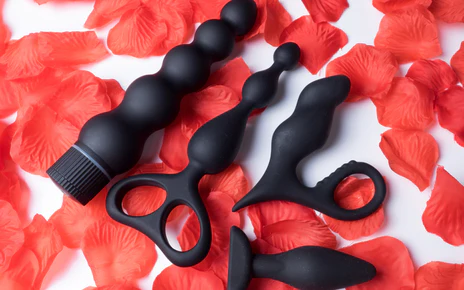


Silicone is the easiest sex toy material to clean, which is one of the reasons it is the body-safe standard. Because platinum-cure silicone is non-porous, nothing soaks into it, so routine cleaning is genuinely simple: warm water and a fragrance-free mild soap, or a body-safe toy cleaner, worked over every surface including textured areas, then dried fully. For a deeper clean, between partners or after anal use, non-motorised 100% silicone toys can be boiled for around three minutes or run through a dishwasher on the top rack with no detergent. The one rule that catches people out: silicone-based lubricant degrades silicone toys, leaving them tacky, so only ever use water-based or hybrid lube with them. And the one big exception: any motorised toy cannot be submerged unless it is rated IPX7, so most silicone vibrators are wipe-clean only. This is the silicone-specific deep dive; for cleaning every other material, see how to clean sex toys UK.
Cleaning silicone toys, silicone toy care, sterilising silicone
"Cleaning silicone toys", "silicone toy care" and "sterilising silicone" describe a spectrum: routine cleaning after every use, and deeper sterilising done occasionally. Silicone handles both better than almost any other toy material, because it is non-porous and heat-stable, but the method depends on whether the toy is motorised.
Why silicone is the easy case
Platinum-cure silicone is non-porous: its surface has no microscopic pores for bacteria, fluids or residue to soak into. That single property is why it is the body-safe standard and why cleaning it is straightforward. Compare porous materials like jelly or unsealed TPE, which can harbour bacteria below the surface no amount of surface cleaning reaches. With silicone, if the surface is clean, the toy is clean.
It still has to be done, though. A 2014 study in the journal Sexually Transmitted Infections detected HPV on 67% of silicone vibrators after use, and on 89% of more porous thermoplastic ones. The reassuring half of the same finding: the virus was markedly less detectable once the toys had been cleaned. Non-porous does not mean self-cleaning; it means the cleaning you actually do reaches every part of the surface.
Routine cleaning, after every use
- Warm water and mild soap. Fragrance-free, mild soap, or a dedicated body-safe toy cleaner. Avoid scented or moisturising soaps, the residue lingers and can irritate.
- Work over every surface. Including textured areas, ridges and seams, where residue collects.
- Rinse thoroughly. No soap film left behind.
- Dry fully before storage. A clean towel, then air-dry. Storing damp invites mould in storage pouches and boxes.
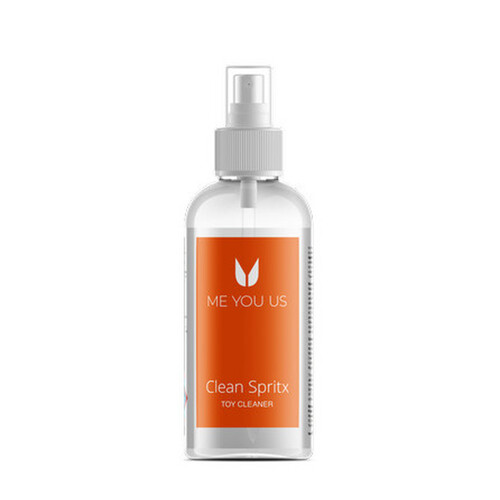
Me You Us Spritz Toy Cleaner
Body-safe spray toy cleaner for routine cleaning. ~£7.
£6.99 →Deep cleaning, when it matters
Deep cleaning is for specific situations: before sharing a toy between partners, after anal use before vaginal use, or if a toy has been in storage a long time. For non-motorised 100% silicone toys only, you have two options routine cleaning does not give you:
- Boiling: submerge in boiling water for around three minutes. The most reliable home sterilisation for solid silicone.
- Dishwasher: top rack, no detergent, on a hot cycle. Convenient, effective for solid silicone pieces.
Both work because platinum-cure silicone is heat-stable. Neither is safe for any toy with a motor, a battery, or any non-silicone component.
The motorised exception
This is the rule that catches people out. A silicone vibrator is silicone on the outside, but inside it has a motor and a battery. It cannot be boiled, dishwashed, or submerged unless it carries an IPX7 rating. For most silicone vibrators, cleaning means: wipe the silicone surface with a damp cloth and toy cleaner, taking care around the charge port, and never put it under running water unless the manufacturer explicitly says it is fully waterproof. Check the IPX rating before any water contact.
Cleaning method by toy type
| Toy type | Routine clean | Deep clean |
|---|---|---|
| Non-motorised 100% silicone | Warm water + mild soap | Boil 3 min, or dishwasher top rack |
| Silicone vibrator, splash-resistant | Damp cloth + toy cleaner, avoid charge port | Not by submersion, wipe only |
| Silicone vibrator, IPX7-rated | Rinse under water + toy cleaner | Rinse only, never boil or dishwash |
| Silicone with non-silicone parts | Spot-clean the silicone | Follow manufacturer guidance |
What degrades silicone
- Silicone-based lubricant. The big one. It bonds with and degrades silicone toy surfaces, leaving them tacky within weeks. Use water-based or hybrid lube with silicone toys, always.
- Storing toys touching each other. Silicone can react with other silicone or with some plastics in storage. Store pieces separately, in fabric pouches or their boxes.
- Harsh or scented soaps. Not so much degradation as residue and irritation. Fragrance-free and mild.
- Direct sunlight and heat in storage. Prolonged heat exposure can affect the material over time. Store cool and dark.
Common mistakes
- Boiling a vibrator. The single most damaging mistake. Motorised toys are wipe-clean unless IPX7-rated, and even then not by boiling.
- Using silicone lube on silicone toys. It degrades them. Water-based or hybrid only.
- Storing toys damp. Invites mould in pouches and boxes. Dry fully first.
- Scented soap. Leaves an irritating residue. Fragrance-free, mild.
- Storing silicone toys touching. They can react with each other. Separate pouches.
Related reading
- How to clean sex toys UK (every material)
- When to throw a toy away
- What "body-safe" actually means
- Browse sex toys
Frequently asked
- How do I clean a silicone sex toy?
- For routine cleaning after every use: warm water and a fragrance-free mild soap or a body-safe toy cleaner, worked over every surface including textured areas, rinsed thoroughly, and dried fully before storage. Silicone is non-porous, so if the surface is clean, the toy is clean.
- Can you boil silicone sex toys?
- Only non-motorised 100% silicone toys. Those can be submerged in boiling water for around three minutes as a deep clean, because platinum-cure silicone is heat-stable. Any toy with a motor, battery or non-silicone component cannot be boiled, doing so destroys it.
- Can silicone sex toys go in the dishwasher?
- Non-motorised 100% silicone toys can go on the top rack with no detergent on a hot cycle. It is a convenient deep-clean option for solid silicone pieces. Never put a motorised toy, or one with non-silicone parts, in a dishwasher.
- How do I clean a silicone vibrator?
- Wipe the silicone surface with a damp cloth and a body-safe toy cleaner, taking care around the charge port, and dry fully. Do not submerge it unless it carries an IPX7 waterproof rating, and even IPX7-rated vibrators should be rinsed, never boiled or dishwashed. Check the rating before any water contact.
- Why can't I use silicone lube with silicone toys?
- Silicone-based lubricant bonds with and degrades silicone toy surfaces, leaving them tacky and damaged within weeks. Always use water-based or hybrid lubricant with silicone toys. Silicone lube is fine with glass, steel and ABS toys.
- Do I need a special toy cleaner, or is soap enough?
- For routine cleaning, warm water and a fragrance-free mild soap is enough for silicone. A dedicated body-safe toy cleaner is convenient and avoids any risk of soap residue, which can irritate. Either works; the key is fragrance-free and mild, not harsh or scented.
- How often should I clean a silicone toy?
- After every use, with the routine method. Deep cleaning (boiling or dishwasher for non-motorised silicone) is for specific situations: before sharing between partners, after anal use before vaginal use, or after long storage.
- Where can I buy a body-safe toy cleaner in the UK?
- BondageBox stocks body-safe toy cleaners with free discreet UK delivery over £30, plain unmarked packaging, and "BBox" on the bank statement. Browse the sex toys range.
- Does cleaning silicone actually remove viruses and bacteria?
- Yes, and there is research behind it. A 2014 study in Sexually Transmitted Infections found HPV on 67% of silicone vibrators after use, but markedly lower detection once the toys had been cleaned. Because silicone is non-porous, soap and water or a body-safe cleaner reach every part of the surface, which is exactly why routine cleaning works on it and cannot fully work on porous materials.
Sources & further reading
- NHS, Sexual health hub, NHS UK
- ISO 10993, Biocompatibility for body-contact products, ISO
- ECHA, Restricted plasticisers in body-contact products, European Chemicals Agency
- Bringing sex toys out of the dark: exploring unmitigated risks (2023 review), PMC / NIH
Filed under Materials & Care
← Back to the Guides