

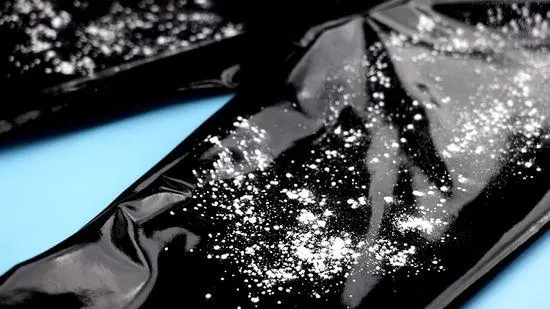
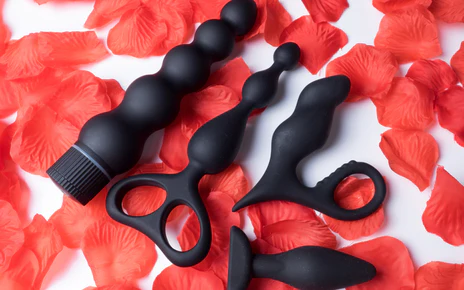

Vaseline is not a suitable lubricant for any sexual purpose. Three serious problems:
1. Destroys latex on contact
Petroleum jelly degrades latex within seconds of contact. This means:
- Condoms fail, increased risk of breakage, with attendant STI and pregnancy risks.
- Latex gloves and dental dams fail.
- Latex bondage toys degrade.
NHS guidance on condom use explicitly excludes petroleum-based products as lubricants for this reason.
2. Doesn't wash out cleanly
Petroleum jelly is hydrophobic, it doesn't mix with water and resists washing. Inside the body, residues sit on tissue and accumulate; the body cannot clear them effectively. This:
- Disrupts the vaginal microbiome (increased risk of bacterial vaginosis).
- Disrupts the anal microbiome and creates conditions for bacterial accumulation.
- Cannot be effectively cleaned from porous toys; permanent contamination.
3. Body-contact regulation
While Vaseline itself is generally safe on skin (it's sold widely as a skincare product), the body-contact regulatory standard for sexual use is different. Petroleum-based products aren't formulated for the mucosal environment of intimate use.
What to use instead
- Water-based lubricant, universal compatibility; rinses cleanly; safe with every condom type. Sliquid H2O, Pjur Aqua, ID Glide. £8–£15 for a 100ml bottle.
- Silicone-based lubricant, lasts longer; safe with all condoms; not for silicone toys. Pjur Original, Sliquid Silver.
- Hybrid (water + silicone), middle-ground; works with most things.
For massage (skin-only, not for intercourse): coconut oil, almond oil, jojoba oil are safe skin-contact options, but never on areas where a condom or latex will be present.
See our beginner's guide to lubricant types for the deeper comparison.