



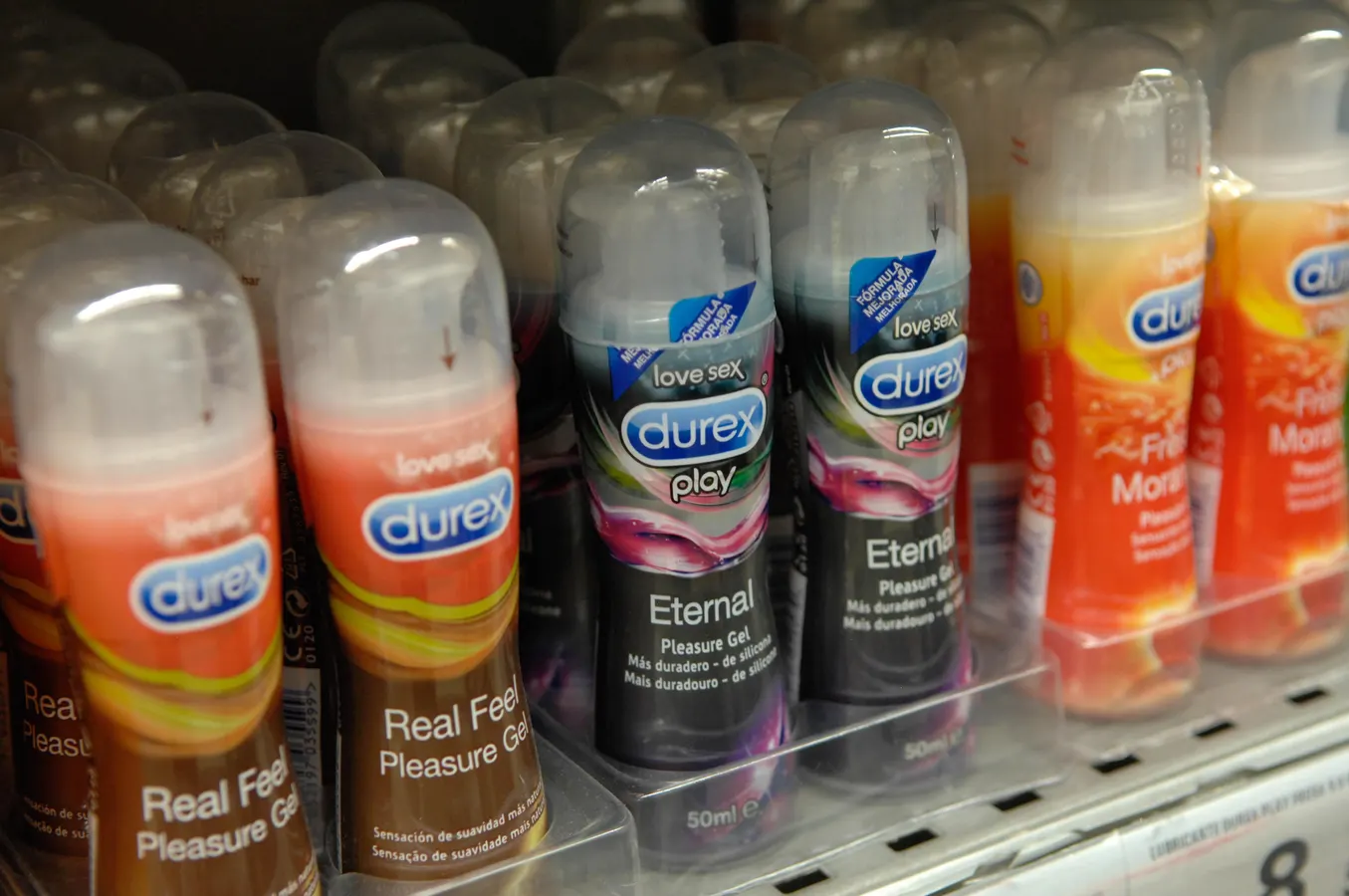
There are only four lubricant types, and once you understand what each one is, the choice gets simple. Water-based is the universal default: compatible with every toy material and every condom, easy to clean, the right answer for almost everyone starting out, though it dries out and needs reapplication. Silicone-based lasts much longer and is brilliant in water, but it cannot be used with silicone toys because it degrades the surface. Hybrid is mostly water with a little silicone: longer glide than pure water-based, broadly toy-safe, a sensible step up. Oil-based lasts longest of all but destroys latex condoms and is hard to clean, so it sits at the edge of the category. If you only remember one thing: start with water-based, it works with everything and forgives every mistake. This is the plain-English explainer of the types themselves; for detailed which-to-buy-by-use-case recommendations, see the full UK lube guide.
Lubricant, lube, personal lubricant
"Lubricant", "lube" and "personal lubricant" all mean the same thing: a product that reduces friction during sex or toy use. The differences that matter are not in the name but in the base, what the lube is mostly made of, because the base determines what the lube is safe to use with. There are four bases, and that is the whole framework.
Lubricant is close to a default in adult sex lives rather than a niche extra: a nationally representative US survey published in the Journal of Sexual Medicine found that 70% of men had used a commercial lubricant, with use higher among those in relationships, and the companion study of women reported comparably widespread use. For most people the question is not whether to use lube but which of the four types to buy.
Water-based
What it is: a lubricant whose main ingredient is water. The most common type on any UK shelf.
Works with: every toy material (silicone, glass, steel, ABS), every condom type (latex and non-latex), and the body. There is nothing water-based lube is unsafe with.
The trade-off: it absorbs and evaporates, so it dries out during use and needs reapplying. A drop of water or saliva can revive it.
Who it is for: everyone starting out, anyone using silicone toys, anyone who wants one lube that covers every situation. This is the default.
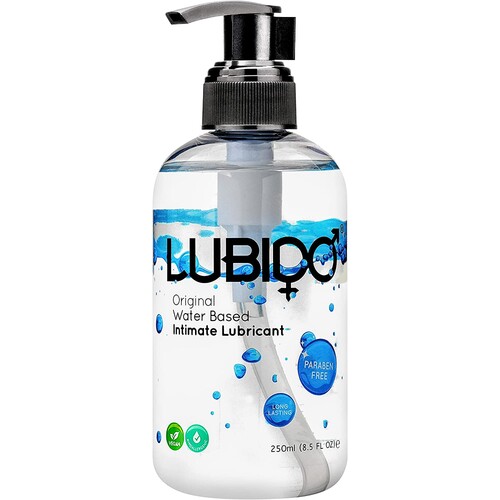
Lubido Water-Based, 250ml
Paraben-free water-based lube, the safe universal starting point. ~£6.
£5.99 →Silicone-based
What it is: a lubricant made from silicone fluids. Slippery, long-lasting, does not absorb into skin.
Works with: glass, steel, ABS plastic and ceramic toys; every condom type; the body. Excellent in water because it does not wash away.
The catch: it must never be used with silicone toys. Silicone lube bonds with silicone toy surfaces and degrades them within weeks, leaving them tacky and damaged. This is the one hard rule of the category.
Who it is for: longer sessions, shower and bath play, anal play (where longevity matters), and anyone using non-silicone toys.
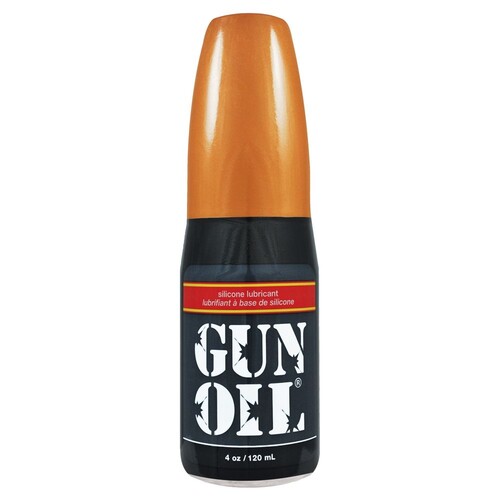
Gun Oil Silicone Lube
Long-lasting silicone glide, safe in water, never with silicone toys. ~£54.
£53.99 →Hybrid
What it is: mostly water with a small percentage of silicone. A genuine middle ground rather than a marketing label.
Works with: condoms, glass, steel, and usually silicone toys at low silicone content, but check the label, because the safe answer depends on how much silicone is in the blend.
The trade-off: longer glide than pure water-based, easier cleanup than pure silicone. It does not last as long as full silicone but does not dry out as fast as pure water-based.
Who it is for: anyone who finds water-based dries out too quickly but wants to keep most of its compatibility and easy cleanup.
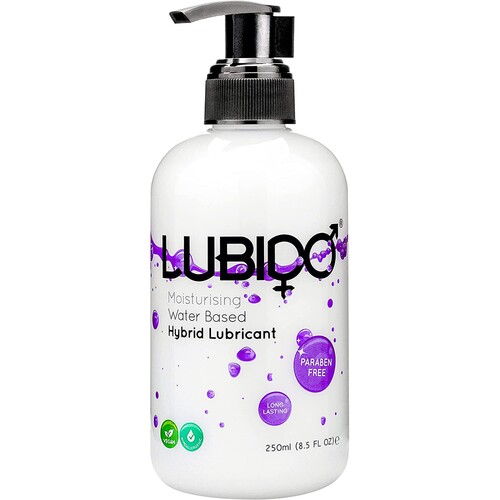
Lubido Hybrid, 250ml
Water-silicone hybrid, longer glide, easy cleanup. ~£9.
£8.99 →Oil-based
What it is: a lubricant made from oils, natural (coconut, for example) or formulated.
The two hard problems: oil destroys latex condoms within minutes, and it is difficult to wash off and can stain fabric. It is also not recommended internally for many people because it can disrupt natural balance.
Who it is for: a narrow case, external use only, no latex barrier involved, no porous toys. For most people, most of the time, the answer is one of the other three.
The four types at a glance
| Type | Silicone toys | Condoms | In water | Longevity | Cleanup |
|---|---|---|---|---|---|
| Water-based | Safe | Safe | Washes away | Reapply often | Easy |
| Hybrid | Usually (check label) | Safe | Lasts better | Moderate | Easy |
| Silicone | No | Safe | Excellent | Long | Needs soap |
| Oil-based | No | No, destroys latex | Lasts | Long | Difficult |
Beyond the base: what else to check
- Glycerin-free if you are prone to thrush, glycerin can feed yeast.
- Paraben-free is now the standard for body-safe formulas.
- Fragrance-free if your skin is reactive, added scent and flavour are common irritants.
- pH-balanced formulas (around pH 3.8-4.5 for vaginal use) are gentler on natural balance.
- Osmolality matters for frequent or anal use: the World Health Organization recommends a lubricant osmolality below 1200 mOsm/kg, and ideally under 380, because very high-osmolality formulas can draw moisture out of delicate tissue. Better UK brands now print the figure.
Common beginner mistakes
- Silicone lube on a silicone toy. The one hard rule. It degrades the toy. Use water-based or hybrid on silicone toys.
- Oil-based with condoms. Oil destroys latex within minutes. Water-based or silicone with any latex barrier.
- Assuming "natural" means safe internally. Coconut oil and similar can disrupt natural balance. "Natural" is not the same as "body-safe for internal use".
- Buying flavoured or warming lube as a first lube. Added flavour, fragrance and warming agents are common irritants. Start plain.
- Not having any lube at all. It is the cheapest thing that makes everything else work better. Buy a water-based bottle with your first toy.
Related reading
- Full UK lube guide (which to buy by use case)
- Best lubricant for anal play
- How to clean sex toys
- Browse lubricants
Frequently asked
- What lubricant should a beginner buy?
- Water-based. It is compatible with every toy material and every condom type, easy to clean, and forgives every mistake. The only trade-off is that it dries out and needs reapplying, which a drop of water revives. Start here before considering any other type.
- What are the different types of lubricant?
- Four: water-based (universal, the default), silicone-based (long-lasting, great in water, never with silicone toys), hybrid (mostly water with a little silicone, a middle ground), and oil-based (longest-lasting but destroys latex and is hard to clean). The base is what determines what each is safe to use with.
- Can I use silicone lube with silicone toys?
- No. This is the one hard rule of the category. Silicone lube bonds with silicone toy surfaces and degrades them within weeks, leaving them tacky and damaged. Use water-based or hybrid lube with any silicone toy. Silicone lube is fine with glass, steel, ABS and ceramic.
- What is hybrid lubricant?
- A blend that is mostly water with a small percentage of silicone. It gives longer glide than pure water-based and easier cleanup than pure silicone. It is usually safe with silicone toys at low silicone content, but the safe answer depends on the blend, so check the label.
- Why can't I use oil-based lube with condoms?
- Oil degrades latex within minutes, which can cause a condom to fail. This applies to natural oils like coconut oil as well as formulated oil-based lubes. For any sex involving a latex barrier, use water-based or silicone lube only.
- Is water-based or silicone lube better?
- Water-based is the safer default: compatible with everything, easy to clean, but it dries out and needs reapplication. Silicone lasts much longer and is excellent in water, but cannot be used with silicone toys and is harder to clean up. For most beginners, water-based is the answer; silicone is a situational upgrade.
- What should I look for in a body-safe lube?
- Beyond the base type: glycerin-free if you are prone to thrush, paraben-free as the modern standard, fragrance-free if your skin is reactive, and pH-balanced for gentler use. Avoid flavoured and warming formulas as a first lube, the added agents are common irritants.
- Where can I buy lubricant in the UK?
- BondageBox stocks water-based, silicone, hybrid and oil-based lubricants with free discreet UK delivery over £30, plain unmarked packaging, and "BBox" on the bank statement. Browse the range in lubricants and oils.
- How common is using lubricant?
- Very. A nationally representative US survey in the Journal of Sexual Medicine found 70% of men had used a commercial lubricant, with the companion women's study reporting comparably widespread use. It is closer to a standard part of a sex life than a niche product, which is why starting with a reliable water-based bottle is sensible rather than optional.
Sources & further reading
- NHS, Sexual health hub, NHS UK
- WHO, Lubricant osmolality safety guidance, World Health Organization
- Brook, Sex and pleasure, Brook Advisory
- Men's use and perceptions of commercial lubricants (nationally representative survey), Journal of Sexual Medicine
Filed under Beginner's Guides
← Back to the Guides