


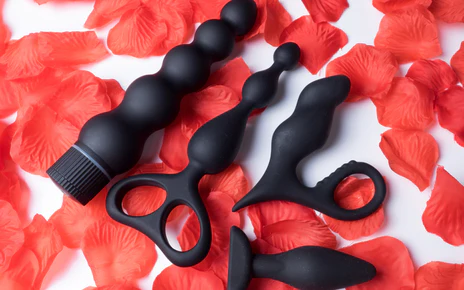

Introducing anal sex to a long-term partner is a conversation first and a sex act second. The conversation is what determines whether the first attempt lands well.
The conversation
Start the conversation in a neutral context, not during sex, not during conflict, not while one of you is rushing out. Suggested opening:
"I've been thinking about us trying anal at some point, what do you think?"
This works because:
- Curiosity, not commitment, opens conversation rather than pressing for a date.
- "At some point", removes immediate pressure.
- Direct, not euphemistic, clear about what you mean.
- Asks for their view, invites engagement rather than dictating.
Listen to the response
The response usually falls into one of three buckets:
Interested
"Yeah, I've been thinking about it too" / "I'd be open to trying", proceed to specifics. What do you each want it to feel like? What worries you? What's the right time?
Cautiously open
"Maybe, I don't know" / "I have questions", this is a yes in slow motion. Don't pressure. Listen to the questions; answer honestly. The follow-up conversation in a week or two often moves it to a clearer yes.
Uncomfortable
"That's not for me" / hesitation followed by polite deflection, a real no deserves real respect. Don't lobby for a yes. Some partners are permanently not interested in anal; that's a valid sexual preference. The relationship has plenty of other directions to grow.
What to address in follow-up conversations
Common concerns the partner may raise:
"Will it hurt?"
Done properly, no. Most pain comes from insufficient lubricant, going too fast, or wrong angle, all addressable. See does anal sex hurt.
"Isn't it dirty?"
The lower rectum is normally empty between bowel movements. A bowel movement 1-2 hours before clears it naturally; an optional small bulb enema can provide additional confidence. The worry is disproportionate to the actual risk. See how do you clean before anal.
"Is it dangerous?"
Anal sex carries some specific risks: STI transmission, haemorrhoid irritation, minor tears with insufficient lubricant. All are manageable with proper preparation. See anal training sensible starting point.
"What if I don't enjoy it?"
Possibility worth acknowledging. Not everyone enjoys anal. The conversation should explicitly include: "If we try and you don't enjoy it, we don't do it again. Not a problem."
The first attempt
Once you've agreed to try:
- Don't cold-start. Warm-up matters more for anal than for almost anything else. 10-15 minutes of other intimacy first.
- Plenty of lubricant. Glycerin-free water-based or silicone-based. Apply 5× more than feels needed.
- Start with fingers, well-lubricated, short nails. The body learns the sensation gradually.
- Consider a small plug first session, 25mm starter. Used during partner play; the body learns to accommodate without the pressure of an actual penetration.
- Penetration only when comfortable. Slow insertion; pause at any tightness; let the receiver guide the pace.
- Pre-agreed safe words. "Red" stops everything; "yellow" slows down.
- Aftercare. Water; gentle conversation; check in with each other.
What to skip on a first attempt
- Anal as the goal of the entire session. Make it one element among others; don't centre the whole evening on it.
- Position changes mid-act. Find a position that's comfortable and stay there.
- Going too long. First sessions of 5-15 minutes are normal and healthy. Build up later.
- Pressure to climax. The body is busy adjusting; orgasm isn't the metric for a successful first attempt.
If it goes well
Many couples report the second and third sessions are notably better than the first, the body is now familiar. Build a small rhythm; let interest grow naturally.
If it doesn't go well
The body and the relationship don't mind. Pause; debrief calmly; revisit in a few weeks or not at all. There's no requirement to retry; one attempt can be the entire experience for some couples.