


Body-safe silicone is the most forgiving bondage material to clean and the easiest to ruin in storage, which is why almost every "my silicone gag has gone tacky" message we receive turns out to be a storage problem rather than a cleaning one. This is the plain UK guide to silicone bondage-gear care: how to tell whether yours is genuinely medical-grade silicone, the cleaning protocol after each session, the deep-disinfection options between partners, the silicone-on-silicone storage rule that ruins more toys than any other mistake, and a realistic 5 to 10 year lifespan. Pair with our master materials guide.
What "body-safe silicone" actually means
Medical-grade silicone is a non-porous, hypoallergenic, body-safe polymer manufactured to FDA biocompatibility standards (commonly classified ISO 10993-5 cytotoxicity-tested). The "body-safe" label is meaningful when a manufacturer can cite the certification; it is marketing fluff when they cannot.
Practical confirmation: brands like Lelo, Fun Factory, Doxy, Tantus, Nexus, Aneros and Lovense all publish FDA-grade silicone claims. Generic "silicone" toys at the £10 to £15 price point are usually TPE blends labelled as silicone. The smell test helps: medical silicone is odourless; a faint vinyl or chemical smell means TPE.
Cleaning after each session
The base routine.
- Rinse with warm (not hot) water immediately after use.
- Wash with fragrance-free soap; rinse thoroughly until no slip remains.
- Air dry on a clean towel; never seal away damp.
- Store in a fabric pouch, separate from other silicone items.
The most common cleaning failure is using scented "antibacterial" hand soap. The fragrance compounds can deposit into the silicone surface and cause skin sensitivity on next use; fragrance-free, dye-free soap is the safer default.
Deep disinfection
Two interchangeable methods.
- Boiling. 3 minutes in a pan of plain water, fully submerged. Do not boil silicone that has electronic components (vibrators). Boil after the soap wash, not instead of it.
- 10 percent bleach soak. 1 part household bleach to 9 parts water, soak 10 minutes, rinse thoroughly. Same restriction: not for electronics.
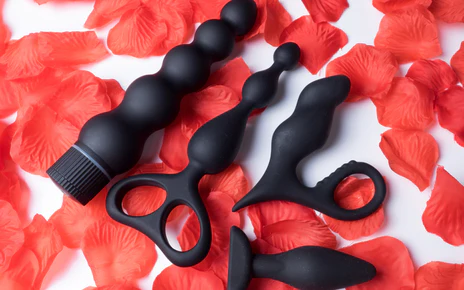
For electronic silicone (vibrators, prostate massagers): wash with soap, then wipe with a 70 percent isopropyl alcohol cloth, rinse, dry. The alcohol disinfects the surface without immersing the electronics.
The silicone-on-silicone storage rule
Different silicone formulations can chemically bond when pressed together for months in storage. The contact surfaces fuse permanently; the toys come out joined.
The fix: store each silicone item separately. Fabric pouches, individual drawer slots, or even a sheet of tissue paper between items will all work. Sealed plastic bags are worse than nothing (they trap moisture and concentrate any plasticiser migration).
This is the single most common cause of "my silicone toy got tacky after a year": it was stored against another silicone toy, and the surface chemistry changed where they touched.
Silicone and lubricant compatibility
Silicone-based lubricant degrades silicone toys. The molecular structures are similar enough that they bond at the surface, leaving the toy permanently tacky after as little as one session.
The rule: water-based lubricant only with silicone toys. Sliquid Naturals, Yes WB, Pjur Aqua are UK-stocked options. If you must test compatibility (some manufacturers claim their silicone is silicone-lube-resistant): apply a drop on the base of the toy, leave 10 minutes, wipe off. If the surface feels altered, treat the toy as silicone-lube-incompatible.
Realistic lifespan
A well-stored, properly cleaned silicone toy lasts 5 to 10 years. Signs that the silicone is degrading: surface tackiness that does not respond to cleaning, visible cracking or splitting, persistent strong smell after washing. At that point the toy has reached end of life and should be replaced.
The biggest lifespan determinants. (1) Storage: silicone kept apart from other silicone items at room temperature outlasts silicone in a drawer where everything touches. (2) Heat: prolonged storage above 60°C softens silicone permanently. (3) Lubricant choice: water-based lube users get the full lifespan; silicone-lube users halve it.
FAQ
- Q: How can I tell if my toy is real medical-grade silicone or TPE?
- Three tests. (1) Smell: medical silicone is odourless; TPE has a faint vinyl smell, especially when new. (2) Surface drag: silicone is non-tacky; TPE feels slightly sticky to the touch. (3) Manufacturer disclosure: real silicone brands cite FDA or ISO biocompatibility certification on the product page or packaging. Cheap "silicone" at the £10 price point is usually TPE blends labelled loosely.
- Q: Can I put silicone toys in the dishwasher?
- Yes for non-electronic silicone, on the top rack, no detergent (or fragrance-free dishwasher tablet at most). Steam cycle is fine; the heat helps disinfection. Do not dishwash electronic items. The boil-for-3-minutes method is equivalent and gives more control over what touches the toy.
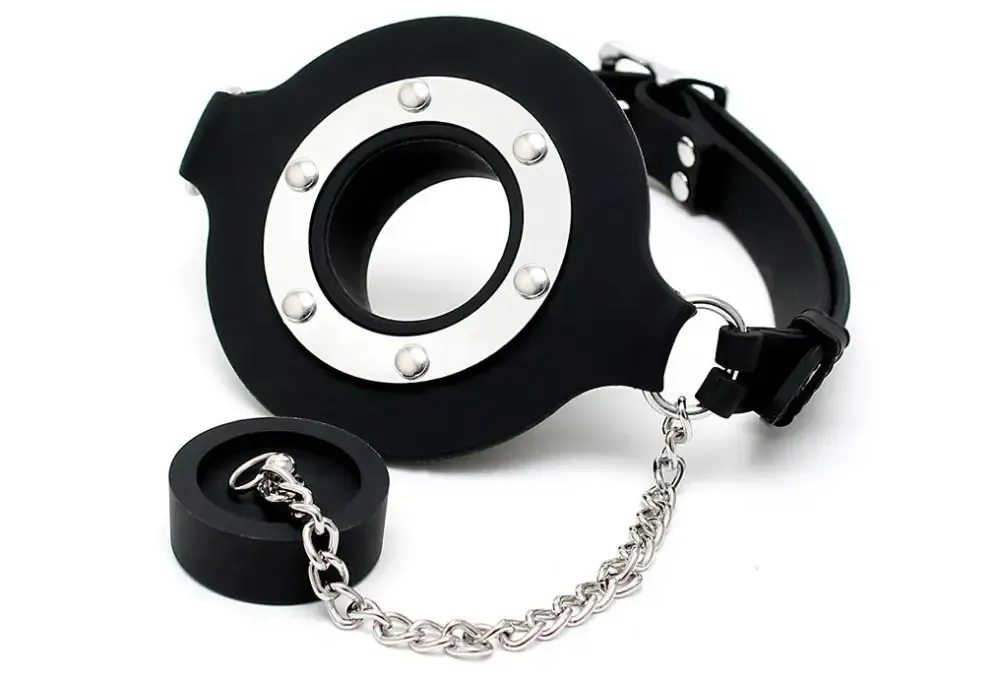
- Q: My silicone gag has gone tacky. Can I rescue it?
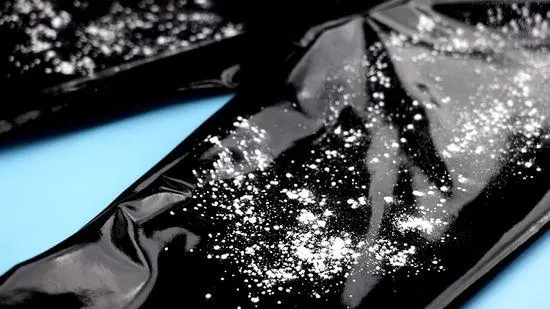
- Often yes. The tackiness is usually from contact with silicone-based lubricant or from storage pressed against another silicone item. Wash thoroughly with soap and warm water, dry, dust lightly with cornstarch or a renewing powder; for most cases the tackiness resolves. If the silicone has visibly cracked or crumbled, the polymer has reached end of life and the toy should be replaced.
- Q: Is bleach safe for silicone bondage toys?
- Yes, in a 10 percent solution (1 part household bleach to 9 parts water) for up to 10 minutes, then rinse thoroughly. Not for electronics. Bleach is one of the two reliable methods (the other is boiling) for fully disinfecting non-porous silicone between partners or after extended storage.
- Q: How long does silicone bondage gear last?
- Non-electronic silicone: 5 to 10 years with proper care. Electronic silicone (vibrators, powered massagers): 3 to 6 years (battery life and switch wear are usually the failure points rather than the silicone itself). The biggest lifespan determinants are storage (separate from other silicone), lubricant choice (water-based only), and avoiding prolonged high temperatures.
- Q: Why does my new silicone toy smell faintly?
- A very faint odour on first opening is normal even for medical-grade silicone, from the manufacturing release agents and packaging. Wash with soap and warm water, let air for an hour, and the smell should clear. A persistent strong vinyl or chemical smell means TPE, not silicone; return the item if it was sold as silicone.
Sources & further reading
- FDA. Medical-grade silicone biocompatibility standards (ISO 10993-5). fda.gov.
- Royal Society of Chemistry. Silicone polymer chemistry and inter-polymer bonding in storage conditions.
- BondageBox in-house testing across 60+ silicone SKUs (2024-2026). Lifespan distribution by lubricant choice and storage conditions.
Filed under Materials & Care
← Back to the Guides