


The prostate is genuinely an underused source of orgasmic experience for people with one, and the limiting factor for most first-time users is not anatomy or equipment; it is the technique mistake of treating a prostate massager like a small anal toy and using it the same way, which is the wrong way. This is the plain UK guide to using a prostate massager for the first time: choosing the right starter (curved silicone, three brand recommendations), the 45-minute first-time protocol, lubrication, the technique that actually finds the prostate, and the signal that confirms the placement is right. Pair with our butt-plug first-time guide if this is your first anal toy of any kind.
Anatomy: what the prostate is and where it is
The prostate is a walnut-sized gland about 5 to 8 cm inside the anal canal, against the front wall (toward the navel side, not the spine side). It produces seminal fluid and is enclosed in dense, nerve-rich tissue; when stimulated correctly, it generates a distinct deep-pleasure sensation that is qualitatively different from penile orgasm.
To feel for it externally first time: insert a lubricated finger, curl toward the front wall, feel for a small firm raised area. Most first-time users find it on the first attempt; if not, withdraw and try a 1 cm shallower or deeper angle. The prostate is unmistakable once located.
Choosing a first prostate massager
Three UK brand picks at different price points.
| Model | Price | Notes |
|---|---|---|
| Aneros Helix Syn | £60-£70 | The original. Non-vibrating; works on pelvic-floor muscle contractions. Steepest learning curve, highest ceiling. |
| Nexus Glide | £40-£50 | Honest budget pick. Medical-grade silicone, simple curved design, no vibration. |
| Lelo Loki Wave | £150-£180 | Premium. Powered vibration plus dual-motor wave motion. Easiest first-time results but most expensive. |
Three specs that matter regardless of brand. (1) Medical-grade silicone (non-porous, body-safe). (2) Curved tip 70 to 100 mm insertable length (length to reach the prostate). (3) Flared base (the safety feature shared with butt plugs).
Avoid: TPE or jelly prostate massagers (porous, harder to disinfect); rigid plastic at the budget end (less forgiving angle, harder to insert comfortably).
The 45-minute first-time protocol
Treat the first session as exploratory, not goal-oriented. Most first sessions do not produce an orgasm; many people take 3 to 5 sessions to consistently find the prostate response. This is normal.
- Minute 0 to 10: warm bath. Relaxes the pelvic floor. Most-helpful pre-step.
- Minute 10 to 15: warm room, comfortable position. Lie on your side, knees drawn up. Lube within reach.
- Minute 15 to 20: finger location. Lubricated finger, locate the prostate as described above. This step confirms placement before the toy goes in.
- Minute 20 to 25: slow toy insertion. Press the curved tip against the opening; let the body draw it in. The curve should orient toward the front wall (toward the navel).
- Minute 25 to 40: subtle pressure and slow movement. Not thrust. Prostate stimulation rewards subtle: small rocking motions, slight pressure variations, brief pauses. Most sensation builds over 10 to 20 minutes of patient stimulation.
- Minute 40 to 45: removal and clean-up. Slow withdrawal; wash with soap and warm water.
Technique: the missing detail
Prostate massage is not in-and-out movement. The single most important technique adjustment for first-time users.
Three slow techniques that work better than thrusting.
- Pelvic-floor contraction (the Aneros approach). The toy is fully seated; gently contract the pelvic-floor muscles (the Kegel motion) and release. The contraction moves the toy against the prostate; the release lets it settle. Cycle: 5 seconds contract, 5 seconds release. After 5 to 10 cycles, the muscle memory takes over and the body produces the contractions involuntarily.
- Slow rocking. Gentle 1 to 2 cm shallow rocking motion with the toy mostly in place; the curve presses and releases against the prostate as the toy moves. Slow pace, like swaying.
- Vibration mode if available. On powered toys, low or medium intensity is the right starting point. High vibration over-stimulates and can numb the response.
The signal: involuntary muscle response
When the prostate is correctly located and the technique is right, the body responds with involuntary rhythmic contractions of the pelvic floor (the muscles that contract during orgasm). This is the unmistakable signal that the placement is correct.
The contractions feel like deep internal waves and may continue for several seconds after the technique is paused. This is the response prostate-orgasm guides refer to; it is qualitatively different from penile orgasm and does not always include ejaculation. Some users experience it as multiple smaller waves over 5 to 10 minutes rather than a single peak event.
Not all first sessions produce this response; some take 3 to 5 sessions. The body learns the response over time. Patience is the underrated skill in prostate-massage practice.
Common first-time mistakes
- Treating it like a butt plug. Prostate massagers are shaped to press against the front wall; thrusting them in and out misses the prostate entirely. Slow pressure, not movement.
- Wrong curve orientation. The curve must point toward the front wall (navel side), not the back (spine side). Check before insertion.
- Too short a session. Prostate response builds over 10 to 20 minutes of patient stimulation; 5-minute sessions rarely produce the response.
- Insufficient lube. Same issue as butt-plug use, scaled up because prostate massage sessions are longer. Reapply every 5 to 10 minutes.
- Goal pressure. Treating the session as "I will have a prostate orgasm tonight" raises pelvic-floor tone and prevents the response. The mindset is exploratory.
Solo vs partner-assisted
Both work; the experience is genuinely different.
Solo: maximum control over pacing; easier to explore subtle technique variations; lets the body learn the response without performance pressure. Most experienced prostate-massage practitioners are solo.
Partner-assisted: the partner can apply pressure with their hand (palm pressing the base of the toy) while the user focuses on relaxation; for partnered scenes this can be highly intimate. Less common but valuable; treat as a separate practice.
Cleaning
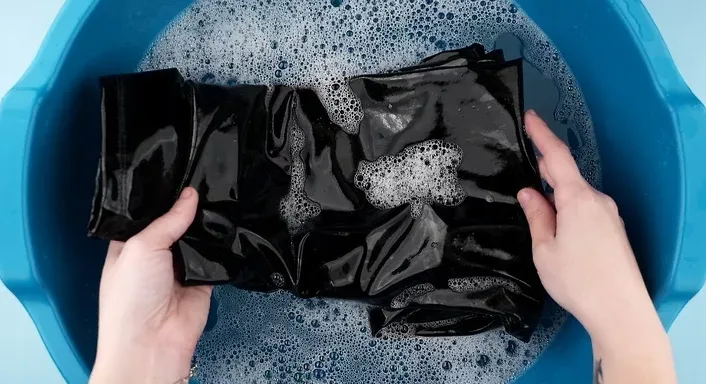
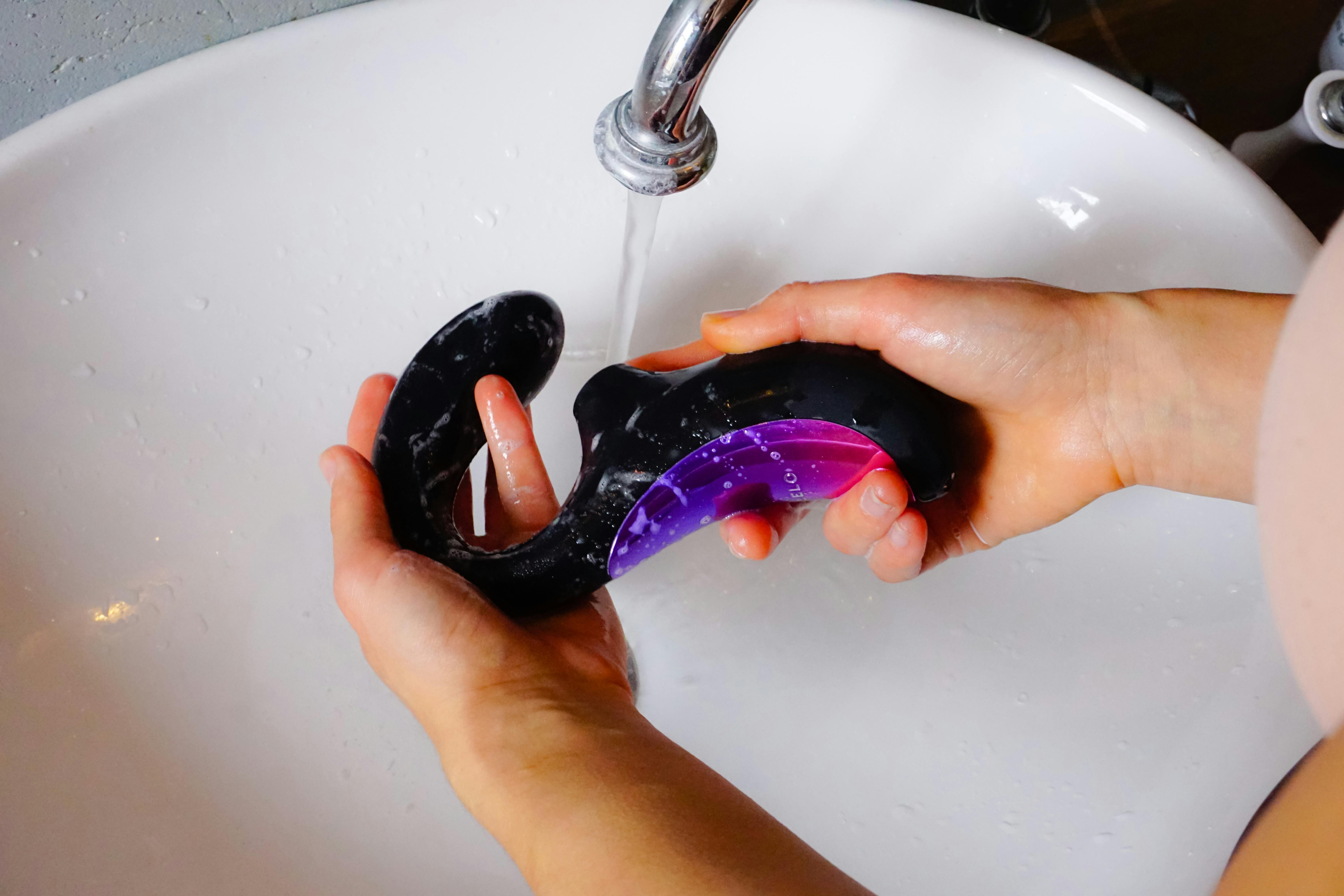
Silicone prostate massager: warm water and fragrance-free soap after each session; rinse thoroughly, air dry. For thorough disinfection (between partners, or after a long gap): boil for 3 minutes or 10 percent bleach soak for 10 minutes, then rinse and air dry. Store in a fabric pouch or open shelf; never sealed plastic. See our cleaning and care guide.
FAQ
- Q: What is the best prostate massager for a beginner?
- For the standard budget pick: Nexus Glide (£40-£50), medical-grade silicone with a simple curved design. For the original prostate-massager experience: Aneros Helix Syn (£60-£70), non-vibrating, uses pelvic-floor contractions. For the easiest first-time results regardless of budget: Lelo Loki Wave (£150-£180), powered vibration plus wave motion. All three are available from UK retailers in 2026.
- Q: Will I have a prostate orgasm on my first try?
- Possibly not. Many first-time users do not have a prostate orgasm in the first 1 to 3 sessions; the body learns the response over time. The signal that the placement and technique are right is the involuntary rhythmic contraction of the pelvic-floor muscles; this can occur without an orgasm in the conventional sense. Patience and exploratory mindset are the relevant skills; goal pressure prevents the response.
- Q: Where exactly is the prostate?
- About 5 to 8 cm inside the anal canal, against the front wall (toward the navel, not the spine). To locate it: insert a lubricated finger, curl toward the front wall, feel for a walnut-sized firm raised area. Most users find it on the first attempt; if not, adjust depth by 1 cm shallower or deeper. The prostate is unmistakable once located.
- Q: Do I need to ejaculate during prostate massage?
- No. Prostate orgasm is qualitatively different from penile orgasm and often does not include ejaculation. Some users experience it as multiple deep waves over 5 to 10 minutes rather than a single peak. Ejaculation can happen but is not the marker; the involuntary rhythmic muscle contraction is.
- Q: Is prostate massage safe?
- Yes, with body-safe equipment, plenty of lubrication, and patient technique. The medical literature supports prostate massage as a normal practice with no significant risk for healthy adults. Note: people with active prostatitis (inflamed prostate), urinary tract infections, or recent prostate biopsy should consult a GP before practising; prostate massage is generally beneficial but should be cleared in these specific contexts.
- Q: How long should a prostate massage session last?
- 45 to 60 minutes for first sessions; up to 90 minutes for experienced users. The prostate response builds slowly; 5- to 10-minute sessions rarely produce the involuntary muscle response. Set aside time for the body to learn the response without time pressure.
- Q: Can prostate massage have health benefits?
- Some emerging evidence (BJU International 2017, Indian Journal of Urology 2018) suggests regular prostate stimulation may support prostate-fluid drainage and possibly reduce certain types of chronic non-bacterial prostatitis symptoms. The evidence is preliminary and prostate massage should not replace clinical care; if you have prostate health concerns, see a GP first.
Sources & further reading
- BJU International (2017). Studies on prostate stimulation and pelvic-floor physiology.
- Indian Journal of Urology (2018). Prostatic massage and chronic non-bacterial prostatitis: a review.
- British Association of Urological Surgeons. Prostate health and patient guidance.
- NHS. Prostate health and conditions overview. nhs.uk.
- BondageBox in-house testing across the leading UK-stocked prostate massagers (2024-2026); user-feedback panel.
Filed under Beginner's Guides
← Back to the Guides