





Kegel balls, also called Ben Wa balls, Kegel weights, or pelvic floor trainers, are weighted spheres held inside the vagina that strengthen the pelvic floor muscles through resistance. The NHS recommends pelvic floor exercises for postnatal recovery, urinary incontinence, and improved sexual function. A 2020 Cochrane systematic review of 31 trials concluded that pelvic floor muscle training "substantially reduces or cures" stress urinary incontinence in women. Modern smart trainers like the Magic Motion Kegel Coach add real-time feedback via a smartphone app, the clinical-feel pelvic floor gym, in pocket size.
What Kegel balls actually are
Kegel balls are weighted spheres, typically 25–45 g, single or double, held inside the vagina by gentle muscular contraction. Holding them in place engages the pelvic floor muscles; that is the entire mechanism. The longer the muscles work to hold the balls in, the more strength and tone they build. There is nothing magical about the ball itself; it is a piece of resistance equipment, like a small dumbbell for muscles you cannot see.
The same mechanism applies whether the balls are 1980s-style metal Ben Wa balls (silver-plated brass, no harness, heavy and small) or 2020s-style silicone smart trainers (silicone-coated weight, retrieval cord, paired to a phone app that measures contraction strength in real time). The principle is identical; the experience and feedback differ.
Why pelvic floor strength matters (the NHS position)
The pelvic floor is a hammock of muscle stretching from the pubic bone at the front to the tailbone at the back, supporting the bladder, bowel and uterus. Pelvic floor weakening, caused most commonly by pregnancy, childbirth, ageing, or chronic coughing, affects roughly 1 in 3 women in the UK at some point in their life (NHS estimate). The clinical consequences are well-documented:
- Stress urinary incontinence. The unwanted release of small amounts of urine during coughing, sneezing, exercising or laughing. Affects ~25% of women aged 30+ and is one of the most common reasons women consult their GP about sexual or urological matters.
- Reduced sexual sensation and orgasmic intensity. The pelvic floor muscles contract during orgasm; their strength directly affects orgasmic intensity for many women (multiple peer-reviewed studies, including the 2008 Lowenstein et al. International Urogynecology Journal paper).
- Pelvic organ prolapse, in more severe cases. Pelvic floor weakness can contribute to descent of the bladder, uterus or rectum into the vaginal canal, typically requiring clinical intervention but often preventable with sustained early exercise.
NHS clinical guidance (NICE Guideline NG123) explicitly recommends pelvic floor muscle training as first-line treatment for stress and mixed urinary incontinence. The recommended protocol, eight contractions, three times daily, sustained for at least three months, is the same protocol that all reputable Kegel ball manufacturers replicate.
Traditional Ben Wa balls vs modern trainers
The category has bifurcated. Two distinct experiences depending on what you buy.
- Traditional Ben Wa balls. Small (typically 12–20 mm), heavy for size, no retrieval cord, no smart features. Sold as pairs, often uncoated metal. The original form. Cheap (~£10–£20), durable, no electronics to fail. Drawback: small size makes insertion and retrieval difficult for some users; no feedback on whether you are contracting correctly.
- Modern silicone trainers. Larger (35–45 mm), with a removable safety cord, often double-ball with internal weighted core that wobbles when you move. Body-safe silicone exterior. £25–£75 range. Easier to use, harder to lose, more comfortable for first-timers.
- Smart trainers (app-paired). Magic Motion Kegel Coach, Elvie, KegelPro. Sensor inside measures contraction strength and duration; phone app guides you through exercises and tracks progress. £80–£150 range. Closest to clinical-grade biofeedback, in domestic packaging.
Are smart trainers worth it?
Honest answer: for most users, no, a £25 silicone trainer plus the NHS-recommended exercise schedule produces 80% of the benefit at 25% of the cost. Smart trainers are worth it for two specific cases:
- Users who suspect they are not contracting the right muscles. A common first-time problem is contracting the abdomen, glutes or thighs instead of the pelvic floor. The app's real-time feedback resolves this within the first session.
- Users who need motivation through measurable progress. Like a fitness tracker, the app turns invisible work into visible numbers. For some users this is the difference between sticking with the protocol for three months and abandoning at week two.
For users already comfortable with their own body and disciplined about routine, a non-smart silicone trainer is the better-value choice.
How to use Kegel balls (sensibly)
- Find your pelvic floor. The simplest test: at the toilet, briefly stop the flow of urine mid-stream. The muscles you used are the pelvic floor. Do this once to identify; do not make it a habit (interrupting flow is associated with urinary problems if repeated).
- Wash the balls. Mild soap, warm water. Air-dry. (See our cleaning guide.)
- Apply a small amount of water-based lubricant. Insertion should be comfortable. Use enough lubricant; less is not more here.
- Insert. Push the balls into the vagina, retrieval cord left outside (if using). Depth: where they sit comfortably is the right depth, typically 5–7 cm in.
- Stand up and engage. The pelvic floor muscles work to hold the balls in place; you should feel a gentle but distinct sensation of internal "lifting". This is the exercise.
- Wear for 15 minutes, building to 30. Your first session should be brief. The muscles are not used to sustained engagement; soreness is normal.
- Remove gently by pulling the cord. Or, for cordless balls, by squatting and bearing down slightly. Wash after use.
The 10-minute daily protocol
The NHS-recommended schedule, adapted for Kegel ball use:
- Morning (5 minutes). Insert balls. Do 10 quick contraction-and-release cycles (1 second each). Then 10 sustained holds (5 seconds each, with 5-second rest between).
- Through the day (passive). Wear the balls for an additional 15–30 minutes during light activity (walking, household tasks). The movement of the internal weighted core provides ongoing stimulation.
- Evening (5 minutes). Repeat the morning sequence, 10 quick contractions, 10 sustained holds.
Three months of consistent use is the threshold at which clinical studies report meaningful strength change. Most users notice subjective change (improved sensation, reduced incontinence) within 4–6 weeks.
When NOT to use Kegel balls
- Pregnancy without specific GP advice. Pelvic floor exercise is generally safe in pregnancy but the NHS recommends discussing with your midwife before starting weighted training.
- The first six weeks postpartum. The pelvic floor is healing; weighted trainers come later in the recovery sequence. Bodyweight Kegels (no balls) start at 2-week postnatal check; weighted training typically at 8 weeks.
- Active urinary tract or vaginal infection. Resolve the infection first.
- If you have an IUD and your GP has advised against insertable items. Most IUDs are compatible; some are not. Ask.
- If you experience pain (not discomfort) during use. The exercise should feel like work, not pain. Pain is feedback to remove and re-evaluate.
The trainers we stock
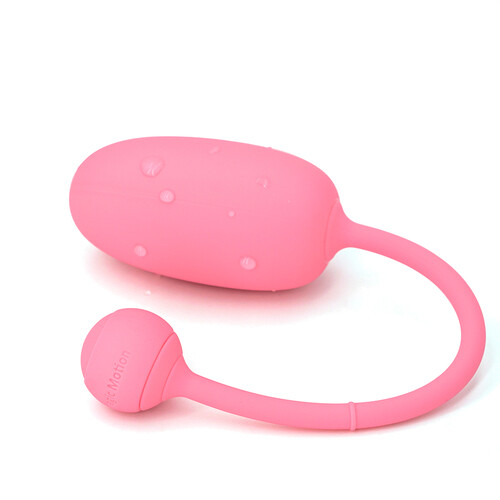
Magic Motion Kegel Coach Smart Ball
Magic Motion Kegel Coach, the app-paired smart trainer with real-time feedback. The clinical-feel option.
£90.99 →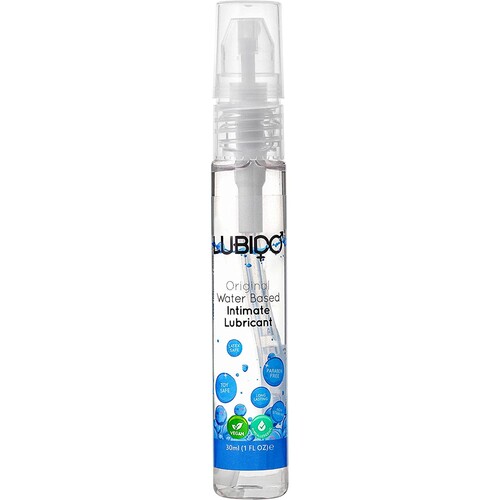
Lubido 30ml Paraben Free Water Based Lubricant
A small water-based lubricant for insertion comfort, Lubido is the budget-pick for compatibility.
£3.99 →Related reading
For the broader topic of body-safe materials in toys that go inside the body, our materials guide. For lubricant compatibility (Kegel balls are usually silicone, water-based lube only), our lube guide. For cleaning specifics, how to clean sex toys.
- What are Kegel balls?
- Kegel balls (also called Ben Wa balls or pelvic floor trainers) are weighted spheres held inside the vagina that strengthen the pelvic floor muscles through resistance. They are equipment for the pelvic floor exercises that the NHS recommends for postnatal recovery, urinary incontinence and improved sexual function.
- Do Kegel balls actually work?
- Yes. A 2020 Cochrane systematic review of 31 randomised trials concluded that pelvic floor muscle training, with or without weighted assistance, "substantially reduces or cures" stress urinary incontinence in women. Most users notice subjective improvement (sensation, reduced incontinence) within 4–6 weeks; clinical strength change typically requires 12 weeks.
- How long should you wear Kegel balls each day?
- The NHS-recommended protocol is two 5-minute sessions of active exercise per day (morning and evening), with optional passive wear of 15–30 additional minutes during light activity. First sessions should be brief, your first day should be 10–15 minutes total, building over a fortnight to the full protocol.
- Are Ben Wa balls and Kegel balls the same thing?
- The terms are used interchangeably but typically refer to slightly different forms. "Ben Wa balls" usually means traditional small metal balls (12–20 mm, no cord); "Kegel balls" or "pelvic floor trainers" usually means modern larger silicone-coated trainers (35–45 mm, with retrieval cord). Both work on the same principle.
- Can you use Kegel balls if you're pregnant?
- Pelvic floor exercise is generally safe in pregnancy but the NHS recommends discussing weighted Kegel training with your midwife before starting. The first six weeks postpartum should be unweighted bodyweight Kegels only; weighted training typically begins around the 8-week postnatal mark.
- Are smart Kegel trainers worth the extra cost?
- For most users, a £25 non-smart silicone trainer produces ~80% of the benefit at lower cost. Smart trainers (Magic Motion Kegel Coach, Elvie) are worth the extra cost for users who suspect they are contracting the wrong muscles (the app's real-time feedback resolves this immediately) or who need measurable progress to maintain motivation through the 12-week protocol.
- Can men use Kegel balls?
- Vaginal Kegel balls are not designed for men. Men have an equivalent pelvic floor that benefits from training, for erectile function, ejaculation control and post-prostatectomy recovery, but the relevant equipment is anal trainers or unweighted exercise rather than vaginally-held balls. Discuss with a GP if you have specific clinical concerns.
Sources & further reading
Pelvic-floor health, NHS guidance, and women's health references.
- NHS, Pelvic organ prolapse and pelvic-floor health, NHS UK
- NHS, Pelvic-floor exercises, NHS UK
- Bladder & Bowel, UK charity (pelvic floor), Bladder & Bowel Community
- Women's Health Concern, Patient resources, Women's Health Concern
Filed under Buying Guides
← Back to the Guides