
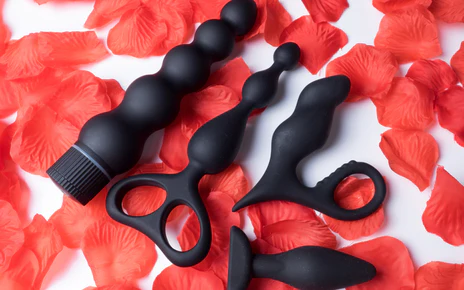


Luxury sex toys are an unusual category, premium pricing for objects most buyers will keep in a drawer, often used briefly, and never seen by anyone except their owner. The case for £150 vibrators and £400 leather harnesses isn't decadence. It's craftsmanship that lasts decades, materials that age beautifully, and objects designed to be a pleasure to own. This is the UK 2026 case.
Why bedroom craftsmanship matters
Sex toys made well differ from sex toys made cheaply in ways that matter both functionally and over time:
Materials that improve with use
- Full-grain leather softens over years; a 10-year-old pair of bridle leather cuffs is at its best. Bonded leather cracks within 12 months.
- Solid brass hardware develops a warm patina; brushed stainless picks up character without losing strength. Zinc-alloy plated hardware flakes and corrodes within 2–3 years.
- Platinum-cure silicone retains its surface integrity for a decade or more; "silicone-blend" TPE degrades visibly within 18 months.
- Welded steel and mortise-and-tenon hardwood furniture holds for generations; bolted construction works loose within years.
The £30 piece versus the £150 piece isn't just price; it's lifespan.
Engineering precision
Premium toys are designed by people who solve specific problems:
- Doxy (UK, Wales) makes wand massagers with 9,000 RPM mains motors, engineered for power and longevity over decades.
- Lelo (Sweden) produces toys with proprietary motors, lithium-ion charge management firmware, and surface finishes that survive years of cleaning.
- Fun Factory (Germany) builds silicone toys with mould precision and material standards drawn from medical-device manufacturing.
- njoy (US) handmakes 316L stainless steel pieces that are essentially indestructible.
- Liebe Seele (premium line) crafts leather harnesses and restraints with saddle-making technique borrowed from English bridle tradition.
The engineering investment shows in feel, reliability, and how the object ages.
Aesthetic that bears looking at
Most starter sex toys are designed to be hidden, the visual language is functional, sometimes apologetic, usually anonymous. Premium pieces are designed to be seen and held.
A Lelo Hugo on a bedside table reads as a beautifully-designed object. A solid walnut St Andrew's cross in a room is a piece of furniture, not a marker. The aesthetic isn't decorative; it's part of why owning the piece is its own pleasure.
The categories where the upgrade is most felt
Not every category benefits equally from premium pricing. The cases where the upgrade is most worth it:
Bondage furniture
The £300 off-the-shelf St Andrew's cross is functional. The £900 solid-oak commissioned one is a piece of furniture for life. For furniture specifically, the price-to-lifespan ratio favours premium dramatically, see custom furniture vs off-the-shelf.
Leather goods
A £30 PU cuff lasts 1–3 years; a £60 full-grain leather cuff lasts decades. The £30 difference is amortised within a year, and you keep the better piece for 20 years, see on leather: bridle, suede, bonded.
Wand massagers
A £30 wand vibrator weakens within 2–3 years; a £90 Doxy or £140 Le Wand runs for a decade-plus. Mains-powered or premium-rechargeable wands are genuinely better tools, see wand massagers compared.
Silicone toys with rechargeable motors
A £40 vibrator versus a £100 Fun Factory or Lelo: the cheap one's battery degrades in 18 months; the premium one runs for 5–10 years.
Latex clothing
A £50 PVC catsuit versus a £200 sheet-latex one: PVC tears at the seams within a year of regular wear; sheet latex with proper care lasts 5+ years.
Glass and steel
The premium tier is closer to mid-tier here, quality borosilicate glass starts at £25; quality 316L stainless starts at £40. Both materials last indefinitely; the price gap to "luxury" pieces is mostly aesthetic.
The categories where premium matters less
- Lubricants. £25 luxury lubricants don't outperform £8 quality glycerin-free water-based formulas significantly. See beginners guide to lubricant types.
- Blindfolds. A £15 silk-lined blindfold and a £35 luxury one perform the same function; aesthetic difference but not functional.
- Cleaning supplies. Fragrance-free antibacterial soap costs the same regardless of label.
- Storage pouches. £3 cotton drawstring bags work as well as £15 designer pouches.
The premium upgrade is most justified for objects you'll own and use for years; less so for consumables and accessories.
The specific UK luxury makers
UK-distributed brands at the genuinely-luxury tier:
Lelo (Sweden)
The category-defining premium brand. £100–£300 typical range. Beautifully designed; consistent build quality; the brand most-likely to read as luxury to someone unfamiliar with sex toys. Vibrators, prostate massagers, couple pieces.
Liberator (US, distributed UK)
Body-support furniture: wedges, ramps, sex chaises. £90–£400 range. Built like upholstered furniture; covers in real fabric; pieces that don't read as sex furniture to anyone visiting.
Liebe Seele Premium
UK-distributed leather goods at the genuine luxury tier. Hand-stitched full-grain leather; brass and stainless hardware; pieces that look as good after 10 years as new.
Honour Heritage (UK)
Long-established UK fetishwear house with a premium line: bespoke latex, leather, custom commissions. The grand old name in UK fetish; pieces that last and represent an aesthetic tradition.
Coco de Mer (UK)
The UK's premier luxury erotic boutique. Silk lingerie, gold-plated pieces, hand-finished accessories. £150–£800 typical pricing. Not a catalogue retailer; a curated boutique whose pieces are objects in their own right.
njoy (US, distributed UK)
Steel toys made by hand in the US. The Pure Wand at £100 is the reference piece. Indestructible; outlives the user.
Doxy (UK, Wales)
UK-manufactured wand massagers. £90 (Number 3) to £170 (Die Cast 3R). Engineered for longevity; mains-powered Number 3 runs forever with no battery to fail.
BondageBox custom commissions (UK)
Custom bondage furniture made to order, see our commission programme. £400–£3,500 typical range for one-off pieces. Solid hardwood or welded steel; full-grain leather; 10-year structure warranty.
The buyer profile
Who actually buys luxury sex toys?
- Couples in long-term partnerships investing in pieces that match the longevity of the relationship.
- People who have already owned cheaper versions and want the upgrade, the experience is the strongest argument.
- Buyers for whom the aesthetic matters, objects that bear looking at, that have a presence in the room or the drawer.
- Specific specialists, leather collectors, latex enthusiasts, rope practitioners, glass collectors. The premium pieces in each specialty are part of the practice.
- Gift givers. A premium piece reads as a gift in a way a budget piece doesn't. Anniversaries, milestone occasions.
The case against luxury
Worth being honest about when luxury isn't the right buy:
- First purchase. Buy a quality mid-range first; learn what you actually like; the premium upgrade comes after.
- Single-use or party-related. Hire or buy lower-tier for one-off needs.
- Storage constraints. A £400 leather harness doesn't make sense if you'll keep it in a damp wardrobe and never condition it.
- Lifestyle mismatch. A £200 luxury vibrator used twice a year isn't a meaningful upgrade over a £40 one used twice a year; both depreciate as objects-in-storage.
The economics, plainly
A £30 wand massager replaced every 2 years over 10 years costs £150. A £90 Doxy lasts the same 10 years. The luxury piece is the cheaper option if you actually use it over time.
The same calculation applies to leather goods, vibrators, latex, and furniture. The premium upgrade pays for itself within the second piece you would have bought to replace the cheap one.
What luxury doesn't pay for itself on: products you'll use for a year or two and stop. For everything you'll own for a decade, luxury is the economically rational choice.
Where to buy in the UK
The BondageBox catalogue includes the luxury tiers across categories, Lelo, Liberator, Liebe Seele Premium, Doxy, njoy. Plain unmarked UK delivery; "BBox" on the bank statement. For commissioned pieces specifically, see our custom furniture programme.
For specialist needs:
- Coco de Mer, Belgravia store: in-person consultation for luxury lingerie and high-end couple pieces.
- Honour Heritage, London: latex couture and bespoke fetishwear.
- Atsuko Kudo, London: bespoke latex couture for film and fashion clients.
What to read next
For materials underlying the luxury argument, on leather: bridle, suede, bonded, body safe meaning, and why metal hardware matters. For furniture, custom furniture vs off-the-shelf. For wands, wand massagers compared. For bondage furniture UK: spreader bar to St Andrew's cross.
Frequently asked
- Why does craftsmanship matter for sex toys?
- Well-made pieces use materials that improve with use: full-grain leather softens, solid brass develops a patina, platinum-cure silicone holds its surface for a decade. They also carry real engineering precision and an aesthetic that bears looking at. The £30 piece versus the £150 piece is a difference of lifespan, not just price.
- Which categories benefit most from buying premium?
- Bondage furniture, leather goods, wand massagers, rechargeable silicone toys and latex clothing. These are objects you own and use for years, where the price-to-lifespan ratio favours premium dramatically.
- Where does premium matter less?
- Lubricants, blindfolds, cleaning supplies and storage pouches. These are consumables and accessories where a luxury label buys aesthetics rather than function; a £15 silk-lined blindfold performs the same job as a £35 one.
- Is luxury actually the cheaper option?
- Often, yes. A £30 wand massager replaced every two years over a decade costs £150; a £90 Doxy lasts the same decade. For anything you will own for years, the premium upgrade pays for itself within the second cheap piece you would otherwise have bought to replace the first.
- When is luxury not the right buy?
- For a first purchase (buy a quality mid-range piece first and learn what you like), for single-use or party-related needs, when storage constraints mean a piece will not be cared for, and when a lifestyle mismatch means it would be used only twice a year.
- Which UK luxury makers are worth knowing?
- Lelo, Doxy (UK-made in Wales), njoy, Fun Factory, Liebe Seele Premium, Liberator, Coco de Mer and Honour Heritage, plus bespoke commission workshops for furniture and leather goods. Each is the reference quality in its specialty.
Read next
Sources & further reading
UK craft and material-standards references; quality-trade bodies.
- BSI, UK manufacturing standards, British Standards Institute
- FIRA, Furniture Industry Research Association, FIRA International
- Leather UK, UK leather trade body, Leather UK
- Crafts Council, UK craft industry, Crafts Council
Filed under Style & Lifestyle
← Back to the Guides