



The three body-safe dildo materials in 2026 are platinum-cure silicone, borosilicate glass, and 304/316 surgical-grade stainless steel. All three are non-porous, fully sterilisable, EU REACH-compliant, and biocompatible per ISO 10993. Differences come down to sensation profile, weight, lube compatibility, temperature behaviour, and price-per-year. Silicone for body-temperature-responsive flexibility and harness use (£25-£200, the dominant UK category). Glass for temperature play and rigid sensation (£25-£150, more drop-resistant than expected but inspect before each use). Steel for substantial weight, indestructibility, and lifetime use (£80-£300+, the Njoy Pure Wand at ~£120-£150 is the category icon, limited UK retail stock at this price point). For most UK first-time buyers, silicone is the right answer; glass and steel are step-up second pieces. The full four-material list (these three plus ABS plastic) sits on the body-safe sex toys UK pillar.
Material choice, the practical question
"Silicone vs glass vs steel" is the canonical UK buyer's question after the basics (size, base) are settled. Each material produces a fundamentally different sensation profile, most users distinctly prefer one over the others, and many established users own pieces from all three to vary the experience. The wrong choice doesn't make the toy unsafe (all three are body-safe); it just produces an experience that may not suit. This guide walks through what each material is, what it does, and when to choose which.
Platinum-cure silicone
Two-part platinum-catalysed silicone cured at 200°C. The same material used in medical implants and infant feeding products, fully inert, non-porous, biocompatible per ISO 10993, REACH-compliant.
Sensation profile
Body-temperature responsive (warms to body temperature within 30 seconds of use); flexible enough to give slightly under pressure; grippy surface that aids retention. The closest material to skin-on-tissue feel commercially available. Dual-density silicone (firm core + soft outer layer) closes the gap further.
Weight and feel
Light (100-300g typical for a 6" dildo). Feel is intermediate, neither rigid nor floppy. The flexibility allows comfortable insertion at angles a rigid material can't accommodate.
Cleaning and sterilisation
- Routine: Warm water and fragrance-free antibacterial soap.
- Sterilisation: Boil 3 minutes in clean water, or run through dishwasher top rack (no detergent). Both methods work; both effective.
- Avoid: Bleach soaking on silicone (degrades the surface over time); harsh solvents.
Lube compatibility
Water-based or hybrid lubricant only. Silicone-based lubricant chemically bonds with silicone toy surfaces over weeks of repeated exposure, producing a tacky residue and degrading the finish. See UK lube guide.
Lifespan
10+ years with proper care for single-density platinum silicone. Dual-density typically 5-10 years (flex points where the outer layer meets the core can show wear). Watch for surface tackiness or plasticiser "sweat", both indicate end-of-life.
UK price band
£25-£200 depending on brand, design, single vs dual-density. Entry options at £25-£40 (Lovetoy, ToyJoy, Silexd); mid-range £60-£100; premium £100-£200.
Best for
First-time buyers, daily use, harness use, partner-sharing with sterilisation, anyone wanting flexibility in a body-safe package.
Borosilicate glass
Laboratory-grade glass, the same material as Pyrex ovenware. Non-porous, hypoallergenic, thermally stable, biocompatible per ISO 10993.
Sensation profile
Smooth glide, rigid (no give under pressure), temperature-conductive. The unique feature: glass can be warmed in tap water or chilled in cool water for temperature-play sensation. Holds the chosen temperature for 5-15 minutes during use, long enough to matter, short enough to need to refresh during longer sessions.
Weight and feel
Light-to-medium (150-400g typical). Feel is firm and unforgiving compared to silicone, won't bend at all. Some users find this preferable for pressure-based G-spot or prostate stimulation; others find it too rigid.
Cleaning and sterilisation
- Routine: Warm water and fragrance-free antibacterial soap.
- Sterilisation: Boil 3 minutes in clean water; 10% bleach soak for 5 minutes followed by thorough rinse; dishwasher top rack. Glass tolerates all three.
- Inspection: CRITICAL before every use. Glass that's been dropped on a hard surface can develop micro-cracks that aren't visible immediately but can fail during use. Inspect for chips, scratches, surface defects; retire at any visible damage.
Lube compatibility
Any body-safe lubricant, water-based, silicone-based, hybrid. Glass is chemically inert to all lube formulations. Silicone-based lasts longest in use; water-based washes off easiest.
Lifespan
Indefinite if not dropped / chipped. The risk pathway is mechanical damage, not material degradation. Glass dropped on a tile floor can crack; glass dropped on carpet usually survives.
UK price band
£25-£150. Entry pieces at £25-£40 (Sensual Multi-Coloured Glass range); premium hand-blown UK pieces (Lucid Toy, Pleasure Drops) £80-£200+.
Best for
Users wanting temperature play, pressure-based G-spot or prostate stimulation, single-piece aesthetic that doubles as a display object, second piece after a first silicone dildo.
304/316 surgical stainless steel
Medical-grade stainless steel alloy. 304 is the more common grade; 316L (low-carbon) is used in implants and is even more corrosion-resistant. Non-porous, hypoallergenic, indestructible, biocompatible per ISO 10993.
Sensation profile
Smooth glide, fully rigid (no give whatsoever), substantial weight, temperature-conductive. The weight is the defining feature, steel dildos at 300-800g feel fundamentally different from silicone or glass. The Njoy Pure Wand (~800g) is the category icon: pressure-based G-spot and prostate stimulation that lighter materials can't replicate. Temperature-play capable similar to glass.
Weight and feel
Heavy (250-800g typical, some pieces 1kg+). The weight is what people remember. Warm under running water before use, especially in winter, cold steel against intimate tissue is unpleasant.
Cleaning and sterilisation
The most robust cleaning profile of any toy material. Boil, bleach-soak, autoclave-compatible. Steel tolerates everything. Pat dry to prevent water spots, especially on premium polished pieces where finish matters.
Lube compatibility
Any body-safe lubricant. Like glass, steel is chemically inert. Silicone-based lasts longest; water-based washes off easiest.
Lifespan
Indefinite, steel doesn't degrade. The Njoy line carries lifetime warranty; bespoke pieces from UK metalworkers similarly indefinite.
UK price band
£80-£300+. UK retail availability is more limited than US, premium pieces like the full Njoy Pure Wand line aren't always in UK stock at every retailer. Smaller steel butt plugs (£40-£80) are more widely available.
Best for
Users specifically wanting the weight sensation; pressure-based stimulation; lifetime ownership; couples or experienced users with established preferences.
Full comparison table
| Property | Silicone | Glass | Steel |
|---|---|---|---|
| First-buyer friendly | ★★★★★ | ★★★ | ★★ |
| Flexibility | ★★★★ Flexible | None, rigid | None, rigid |
| Temperature play | Limited | ★★★★★ | ★★★★★ |
| Weight (substance) | Light (100-300g) | Medium (150-400g) | Heavy (300-800g+) |
| Drop-resistant | ★★★★★ | ★★ Inspect each use | ★★★★★ Indestructible |
| Sterilisable | Boil 3 min / dishwasher | Boil / bleach / dishwasher | Boil / bleach / autoclave |
| Lube types | Water/hybrid only | Any | Any |
| Lifespan | 10+ years | Indefinite* | Indefinite |
| UK price band | £25-£200 | £25-£150 | £80-£300+ |
| Cost per year (10-yr horizon) | £3-£20 | £3-£15 | £8-£30 (but indefinite) |
| Harness-compatible | Yes (flared base) | Limited | Limited |
*Glass: indefinite if not dropped / chipped.
Temperature play in depth
Glass and steel both conduct temperature. The practical method:
- Warm: Run under warm tap water (40-42°C, comfortably warm to the wrist) for 2-3 minutes. Dry. The toy retains the temperature for 5-15 minutes of use before equalising with body temperature.
- Cool: Run under cool tap water (15-18°C) for 2-3 minutes, or briefly soak in a bowl of cool water. Dry. Holds the temperature similarly.
- Avoid extremes: Never use hotter than 45°C (risks tissue burn) or colder than 5°C (risks cold-shock pain). Body-temperature differential of 10-15°C is the comfortable range.
- Combine with warm or cool sensation play (ice cubes, warm massage oil, non-genital, for sensory variety beyond the toy itself).
Glass and steel feel substantively different even at the same temperature, steel feels colder than glass at the same starting temperature because of higher thermal conductivity. Glass releases temperature more slowly during use.
Cost-per-year analysis
The headline price ignores lifespan. Cost-per-year better captures the real economics:
- £30 silicone dildo, 10-year lifespan: £3 per year.
- £100 dual-density silicone, 7-year lifespan: £14 per year.
- £40 glass dildo, indefinite (if intact): ~£2 per year over 20 years.
- £150 Njoy steel piece, indefinite: £7.50 per year over 20 years, decreasing toward zero further out.
- £15 TPE / jelly piece, 1-2 year lifespan: £7-£15 per year, plus material-safety issues.
The premium materials (glass, steel) often work out cheaper per year than mid-range silicone because they don't have lifespan limits. The argument against: higher upfront cost; less first-time-friendly; more specialised use cases.
UK editor's picks per material
Best silicone (entry)
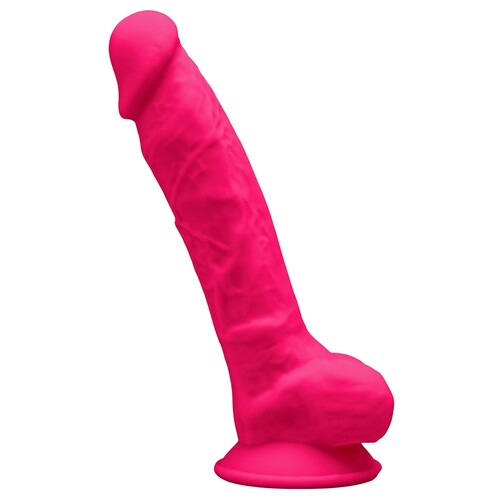
Silexd Premium Silicone 7"
Spanish-engineered platinum silicone. The body-safe entry pick. ~£30.
£29.99 →Best glass
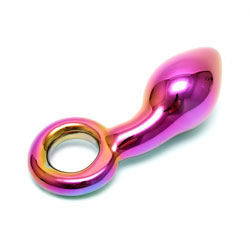
Sensual Glass Kaleigh
Hand-finished borosilicate glass with multi-colour internal swirl. Temperature-play capable, dishwasher-safe. ~£37.
£36.99 →Best premium silicone (dual-density)
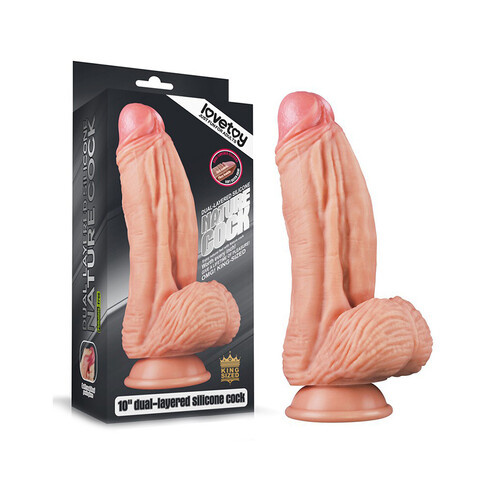
Lovetoy 10" Dual-Layered
Premium dual-density at established-user sizing. Body-tissue feel; flared base; harness-compatible. ~£99.
£98.99 →For steel pieces, browse our anal beads range (where premium steel wand pieces appear) and butt plugs (for steel plugs and probes, the Rouge Stainless Steel Prostate Probe lives there at £41).
Which material to buy first?
For most UK first-time buyers, silicone. The flexibility, temperature responsiveness, and harness compatibility match what first-time users expect from a dildo. The 10-year lifespan justifies the £25-£60 outlay.
Choose glass first if:
- You specifically want temperature play from the outset.
- You want a rigid material for pressure-based stimulation (G-spot, prostate).
- The £25-£40 glass entry pieces appeal aesthetically.
Choose steel first if:
- You specifically want the weight sensation.
- You're investing in a lifetime piece and want maximum durability.
- You're past first-purchase and adding a second / third material.
Cleaning protocol per material
Silicone
- Routine: warm water + fragrance-free soap.
- Sterilisation: boil 3 minutes, dishwasher top rack.
- Avoid: bleach soaking, harsh solvents.
Glass
- Routine: warm water + fragrance-free soap.
- Sterilisation: boil, dishwasher top rack, 10% bleach soak (rinse thoroughly).
- Inspect every use for chips / micro-cracks.
Steel
- Routine: warm water + soap or metal polish.
- Sterilisation: boil, bleach, autoclave-compatible.
- Pat dry to prevent water spots on polished finish.
Common mistakes
- Using silicone lube with silicone toy. Degrades the surface; switch to water-based or hybrid.
- Not inspecting glass before use. Micro-cracks from previous drops can fail during use.
- Cold-shocking with steel. Warm under tap water before use; cold steel against intimate tissue is unpleasant.
- Dropping glass on hard surfaces. Borosilicate is more drop-resistant than household glass but not unbreakable.
- Storing different silicone formulations in contact. Bonding over time can degrade both surfaces.
- Putting motorised silicone toys in dishwasher. The motor housing isn't dishwasher-safe, only fully-silicone, non-motorised pieces tolerate dishwashing.
Related reading
- Best realistic dildos UK 2026
- How to choose your first dildo (UK)
- UK lube guide, water, silicone, hybrid
- How to clean sex toys UK
- Browse realistic dildos
Frequently asked
- What's the best dildo material for first-time buyers in the UK?
- Platinum-cure silicone. The flexibility, body-temperature responsiveness, and harness compatibility match first-time user expectations; the 10-year lifespan justifies the £25-£60 outlay. Verify the listing says "platinum-cure silicone" specifically, "silicone-blend" or "skin-feel silicone" usually means TPE.
- Are glass dildos safe to use?
- Yes. borosilicate glass is body-safe, non-porous, biocompatible per ISO 10993, and the same medical-grade glass used in laboratory equipment. The only safety consideration is drop-fragility: inspect for chips before every use, retire immediately at any visible damage. Glass dropped on hard surfaces (tile, stone) can develop micro-cracks that aren't visible immediately. See are glass sex toys safe.
- What lube works with glass and steel dildos?
- Any body-safe lubricant works with glass or steel, water-based, silicone-based, or hybrid. Both materials are chemically inert. Silicone-based lasts longest during use; water-based washes off easiest. See UK lube guide.
- Can I use silicone-based lube with a silicone dildo?
- No. silicone-based lubricant chemically bonds with silicone toy surfaces over weeks of repeated exposure, producing a tacky degraded finish. Use water-based or hybrid lubricant with silicone toys. Glass and steel are unaffected by silicone-based lube.
- How do I clean a glass dildo?
- Warm water and fragrance-free antibacterial soap for routine cleaning. For sterilisation between partners or after illness: boil in clean water for 3 minutes, run through the dishwasher's top rack (no detergent), or use a 10% bleach soak for 5 minutes followed by thorough rinse. Inspect for chips before every use, retire at any visible damage. See how to clean glass toys.
- Why are steel dildos so expensive?
- Surgical-grade stainless steel (304 or 316 alloy) is significantly more expensive to machine than to cast silicone or blow glass. A 6" steel dildo contains roughly 600-1,000g of medical-grade alloy, plus precision machining and polishing labour. The price reflects the material cost and the fact that steel dildos have indefinite lifespan, a £150 Njoy Pure Wand averages out cheaper per year than a £40 silicone replaced every 5 years.
- Can glass dildos shatter inside the body?
- Borosilicate glass is significantly more drop-resistant than household glass, the same grade used in laboratory equipment and ovenware. Shattering during use is essentially unheard-of with intact (non-chipped) borosilicate dildos. The risk pathway is: drop the toy on a hard surface → chip the surface → use without inspection. Always inspect before use; retire at any visible damage.
- Is glass or steel better for temperature play?
- Both work; they feel different. Steel conducts temperature faster (cools or warms more quickly under running water; releases temperature faster during use). Glass holds temperature longer during use (5-15 minutes vs 3-8 minutes for steel). Most users find steel produces a more pronounced temperature sensation; glass produces a longer-lasting one. Pre-purchase, choose based on whether you want intense brief sensation (steel) or sustained moderate sensation (glass).
- How heavy are steel dildos compared to silicone?
- Steel dildos are typically 3-5x heavier than equivalent-sized silicone. A 6" silicone dildo weighs ~150-250g; a 6" steel dildo weighs ~400-700g. The Njoy Pure Wand (8" total, dual-bulbed) is ~800g. The weight produces sustained pressure that lighter materials can't replicate, that's the defining feature of steel toys.
- Can I share silicone, glass, or steel dildos between partners?
- All three are sterilisable and partner-shareable with proper cleaning between users. Silicone: boil 3 minutes or dishwasher top rack. Glass: same plus bleach-soak option. Steel: same plus autoclave-compatible. For couples in non-monogamous arrangements or any partner-sharing scenarios, sterilisation between users is the standard regardless of material.
- Are glass dildos harness-compatible?
- Limited. Most harnesses use a silicone O-ring designed to grip a flared base; glass dildos with flared bases exist but the smooth surface doesn't grip the O-ring as securely as silicone. The Njoy Pure Wand and similar steel pieces have the same issue, limited grip with standard O-ring harnesses. For harness use, silicone is the universal choice; glass and steel are typically used for solo or partnered-but-handheld use.
- What's the lifespan difference between silicone, glass, and steel?
- Silicone: 10+ years for single-density, 5-10 years for dual-density (flex-point wear). Glass: indefinite if not dropped / chipped, micro-cracks from drops are the only end-of-life pathway. Steel: indefinite, steel doesn't degrade. Cost-per-year over a 20-year horizon: a £40 glass piece is cheaper per year than a £30 silicone piece that's replaced twice.
Sources & further reading
UK material-safety and consumer-product references.
- ISO 10993, Biocompatibility for body-contact products, International Organization for Standardization
- ECHA, Restricted plasticisers in body-contact products, European Chemicals Agency
- NHS, Sexual health hub, NHS UK
- Brook, Sex and pleasure, Brook Advisory
Filed under Buying Guides
← Back to the Guides