


Lubricant timing and choice in bondage scenes follows specific rules. Apply at the right moment with the right formula.
Lubricant during bondage
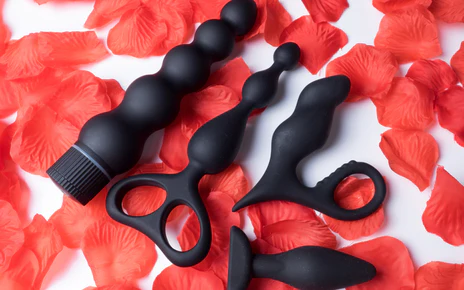
For scenes that include penetrative sex or toy use:
- Use the standard lubricant choices, see best lube for couples sex.
- Glycerin-free water-based for silicone-toy use.
- Hybrid for general-purpose couples sex.
- Silicone-based for long sessions or anal use without silicone toys.
Avoid:
- "Warming" / "tingling" formulas on restrained partners, the receiver can't move away if the sensation becomes uncomfortable.
- Flavoured lubes for internal use, sugars cause infections.
- Oil-based products near latex condoms or latex bondage gear.
Lubricant and rope
Rope work is the exception:
- Don't lube the body before tying rope. Rope grips skin friction; lubricated skin reduces hold and can cause the rope to slip during the scene.
- Don't lube the rope itself. Some recommend "treating" rope with light oil for storage; that's rope maintenance, not pre-scene application. Treated rope shouldn't feel slippery when you tie with it.
- If sex happens during a rope scene, apply lube directly to body/toy after rope is in place; avoid rope contact with lube.
Lubricant on cuffs / restraints
For leather / PU cuffs:
- Don't use lube on the cuff material. Leather absorbs it; PU traps it. Both produce stains and material degradation.
- Apply lube to body after cuffs are on, keeps the cuff material clean.
- If lube contacts the cuff, wipe immediately with a clean cloth; condition leather if needed.
Lubricant on bondage tape
Bondage tape sticks to itself. Lube on it:
- Reduces self-adhesion, the tape may not hold properly.
- Apply lube after tape is in place.
- If lube gets between tape layers, they'll separate; restick may not work.
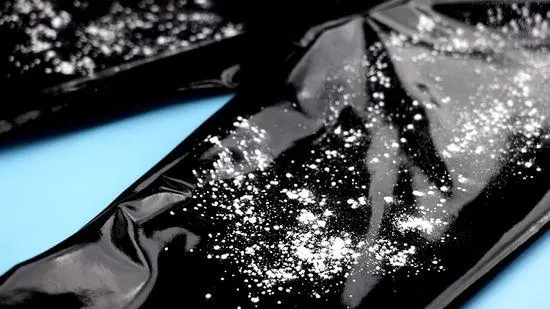
For latex bondage gear
Latex has specific lubricant considerations:
- Silicone-based lubricant is the standard for latex, doesn't degrade the material; produces the shine that latex wearers value.
- Water-based works on skin under latex but doesn't enhance the latex itself.
- Oil-based products destroy latex on contact, never use near latex clothing.
See latex care guide.
Special use: latex dressing aid
For putting on latex clothing:
- Silicone-based dressing aid, Pjur Cult, Vivishine, Eros Latex Wear. £15-£25 per 50ml bottle.
- Applied to the inside of the garment, lets it slide over skin.
- Pre-application before any restraints, you need to be able to move freely to dress.
Practical timing in a bondage scene
- Pre-scene preparation, gather lube within reach; choose the right formula for the planned activities.
- Apply restraints first, cuffs, rope, etc.
- Verify fit and circulation.
- Apply lube when needed, to body / toys / for specific use.
- Re-apply during scene, keep the bottle accessible.
- Don't reach over to a far drawer mid-scene, break of action; potential balance loss.
What to skip in bondage scenes
- Vaseline / petroleum jelly, destroys latex condoms, leather, latex clothing.
- Cooking oils / massage oils, same problem with latex; stains fabric.
- "Anal lubes" with desensitising additives (lidocaine, benzocaine), wrong for bondage scenes where the receiver should be fully aware of all sensation.
- Cold lubricant straight from a cool room, warm in your hand first; cold lube on a restrained partner is unpleasant.
UK lube picks for bondage
- Sliquid Silk (£18), hybrid; covers most scenarios.
- Pjur Original (£18), silicone-based; for sessions without silicone toys.
- Sliquid H2O (£10), glycerin-free water-based; with silicone toys.
- Pjur Cult (£20), silicone-based latex dressing aid.
Available at BondageBox lubricant range.